
"I was born with music inside of me. Music was one of my parts. Like my blood. It was a necessity for me—like food and water."
—Ray Charles
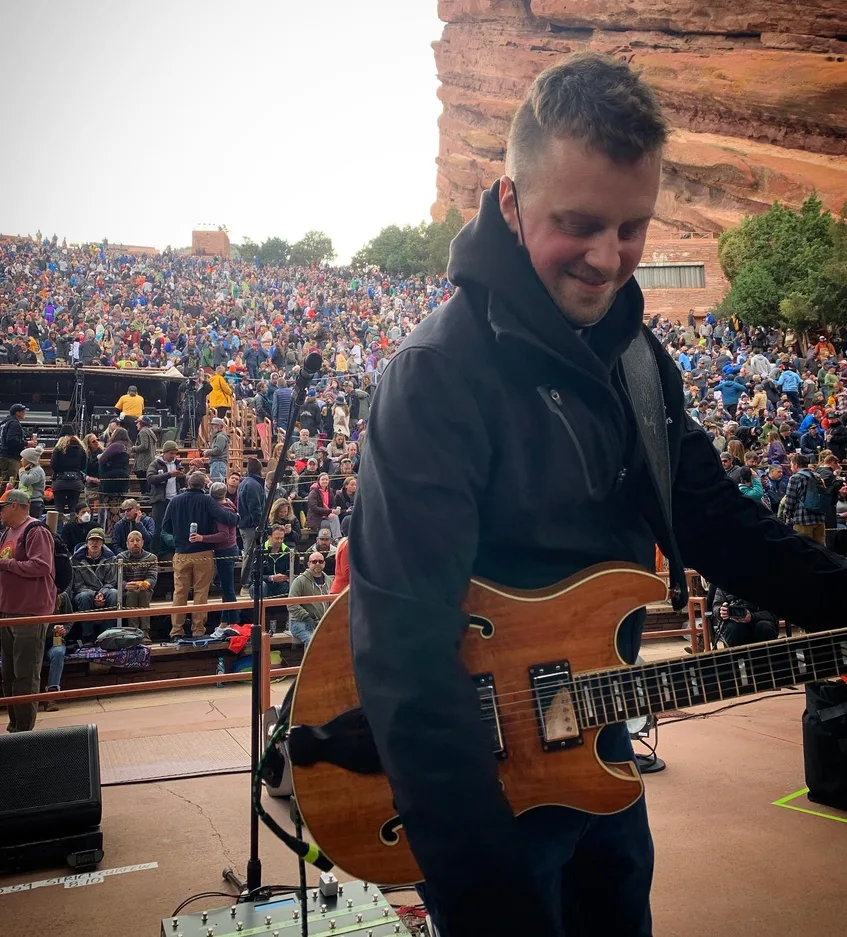
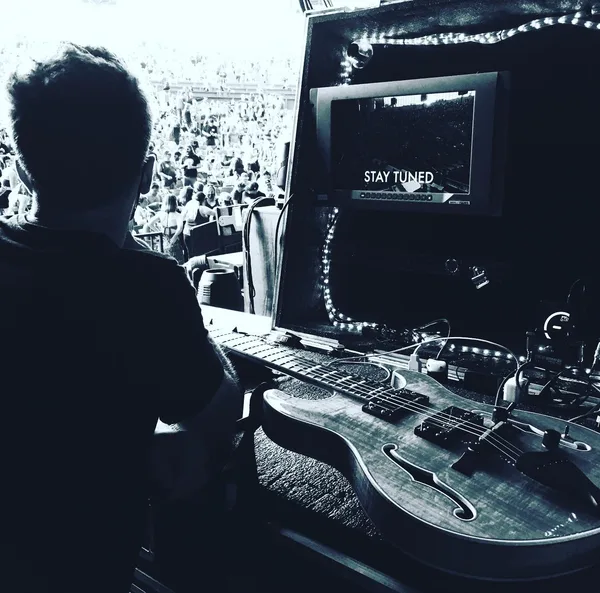
A bevy of eighteen wheelers with engines still warm, resting in gravel alongside grassy rolling hills. The parking lot is already full of nomadic revelers. A small bench on the side of the stage with a lamp and a few packs of nickel strings strewn about. Shelves up against your thighs holding a stash of vintage tubes waiting in the wings should there be an arc. And there will be. Guitars you know like a best friend ready to be set up for the range of daily weather for whatever town you've landed in, for the moment. Maybe you have a few spare minutes for a salad or a sandwich and sparkling water while tuning them up, maybe not. The surreal onset of the gloaming, and then the stars ever gently light the skies, in this finite yet unbounded universe. Within a few minutes there will be a band in the throes of absolute full flight, wings spread, IN BLOOM, and every soul as far as the eye can see blissfully dancing their tails off, leaving all the strangeness of our daily lives behind. There is nothing like music for the soul, never will be. But how did you even get to this place? Oh, all it took was a decade or more of life rambling from Jersey to Chile to Red Rocks, a pandemic where three hundred guitars were stacked behind you at Joe Glaser's waiting for your hands to set them straight, and a strong steady heart that is all in. Never mind the absurd talent you need to be at such A-Game levels with some of the finest musicians the earth will ever know counting on you. Justin Stabler knows that life asks us to walk through the rare open doors and chase dreams, no matter what, for we are only here a short while. It all whirls by so fast if you really stop to ponder the ride. He's a tech of the most serious caliber, a musician who has gigged some legendary places, a father, guitar builder, cherished amigo of ours, and oh, yes, a tone freak of the highest order, you bet your rock and roll ass. Welcome, Justin, what a beautiful day it is having you here. Let's roll.
TQR: Hey now, you guys are keeping busy out there, betya. That gig would freak us out, the pressure and what you must have on your plate day to day. Never a dull moment. Did anybody in your family play music or were you the exception?
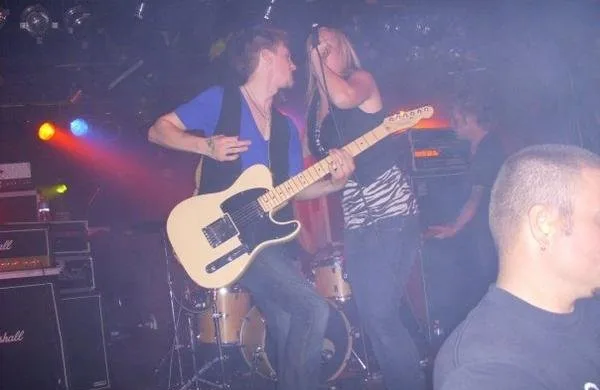
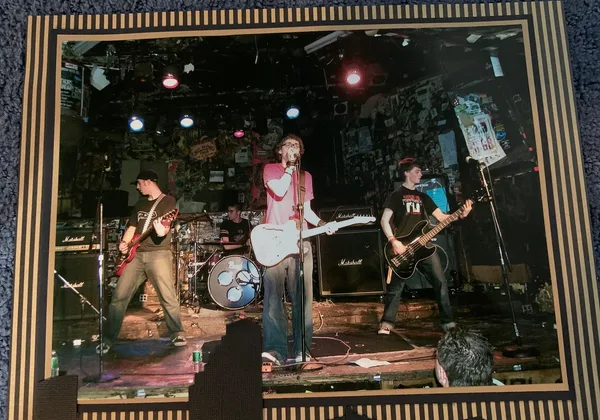
Oh, yeah, it doesn't stop when rolling with Trey and the band! Funny, nobody in my immediate family played. A cousin here or there did. I started on bass after seeing Incubus at the Electric Factory in Philly and felt the call. I bought a 5-string Ibanez! [Laughs.] I felt that I was starting out late, which was thirteen years old or so. Even at my first lesson, the teacher let me know I was holding the bass upside down. Whoops. That's the honest truth. As I hit high school, I was fortunate enough to jump into some bands, such as one called Union City Blue, like the Blondie song. This was during the era when the pop/punk scene was exploding, especially in New Jersey. We got to open up for a lot of bands, and it was pretty cool. I can even remember my dad driving me up to Boston for gigs, and accidentally leaving my book bag from school in bars. I was obsessed with it all right away. Of course, we all wanted to be rock stars, but good luck with that.
TQR: Did you go to college or a music school or right into the guitar world?
After high school I was in a couple bands, even briefly for the former pop star Aaron Carter. I was trying everything under the sun to make the music life work and was even living with my parents so I could swing it. I was promoting shows, playing in bands, working on lining up recordings, and as that ran its course, I wasn't getting anywhere that allowed me to put a roof over myself. I moved to NYC to a school called The Drummer's Collective and they were starting a guitar program. By then I had been playing a lot of guitar so I could write more songs. My first guitar was a blonde Fender Telecaster that I had for a long time, wish I hadn't sold it, but you know how it goes. I modded it with buckers at one point then to Lindy Fralin Split Blades.
TQR: Yep. We all did it.
I was working in music stores then, too, and kept day gigs in stores. Playing bars and restaurants in NYC sure didn't feel stable, and I met a luthier named Paul Nieto who owned a place on 14th Street called Guitartech. He hired me to work for him and began to show me the ropes, all while I was sweeping floors and learning how to set up guitars. He was great. I wish I could thank him again for giving me the opportunity and starting me on this path. I was twenty-three and his shop was the chrysalis.
TQR: What is it with you Jersey guys? You always have so much hustle and heart going for it? How hard core were the repairs at that time?
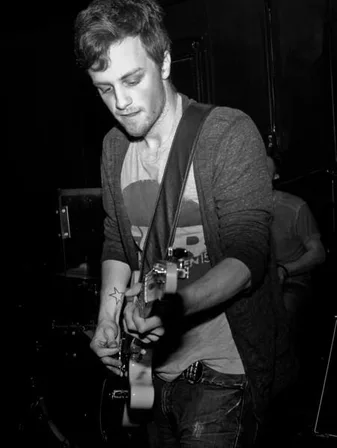
Aha! Maybe it's the NYC vibes, too. I grew up closer to Philly but always had my heart set on being in the city. Playing gigs at CBGB was such a highlight as I cut my teeth. I was doing a lot of fretwork and wiring but wasn't doing structural repairs yet. Just fret levels and polishes. Paul was great. He put everything into the people he invested his time in. He even paid well, so we could actually afford to eat supper. Here and there an artist would come through. A guitarist named Jordan Peters had a gig with the Lauren Hill band. He would stop by the shop often, and asked if I could tech for Lauryn.

She had a wild pedalboard and played a nylon stringed acoustic that would have issues sometimes. Paul encouraged me. I didn't even know what to bring so I went to Home Depot and bought this big plastic work box and filled it with everything I thought I might need. Hilarious. I got the gig, and the two-week pay was way more than anything I had earned elsewhere or had seen before, so it was eye opening. Lauryn kept going out a lot and I would roll along, so Paul had me make a choice if I was going to be on the road or in the shop. I wanted to do both since I loved the repair side of it, because my mentality was that I needed to be able to put any guitar back together if a bus ran over it and I wanted to be the best out there. But I chose the road, and I had to say goodbye to my mentor. It was a bummer, he invested so much into me as a repair tech. I didn't even know how long that gig would last, meaning it could have been done in weeks, but you just have to go for it, so I did.
That gig was so sporadic that I called Matt at 30th Street Guitars because I had always wanted to work there when I wasn't on the road. What a cool store, and Matt would always be there like a mad scientist at the work bench with all these guitars piled up. He said he didn't have a job for me, even though I offered to sweep floors. Friends of mine put in the good word and he offered me one day a week to get my foot in the door. By the end of the week, I was full time since he had so much work. He had his way of doing things and taught me so much, like how to push string action lower than I thought, how to throw any guitar up on the bench and get it dialed in super quick, and to voice them. That served me immensely, what a throw and grow mentality it was, grace under fire, working quick, and I loved it. Matt was amazing and a life mentor, who I still see every time I come to town.
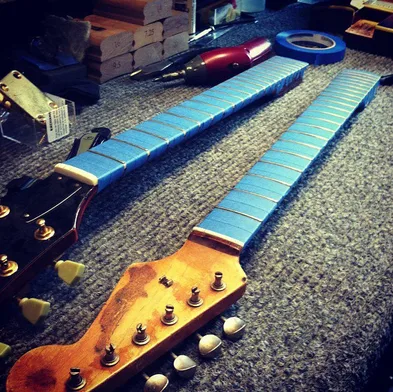
TQR: Did you end up with Joe Glaser in Nashville at some point?
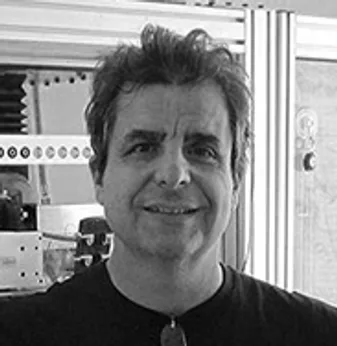
I sure did. As I met more techs through various bands and tours, Doug Redler who was with the Dixie Chicks, Hall and Oates and others had me sub for him for a summer, which was with those guys and all while juggling Lauryn Hill and Ricky Martin gigs. That was a whole other level, going to full-on big-time pop shows with dancers and horn players running around and you're in charge of the guitars. I felt like a cartoon character spinning around in smoke. They flew me down there to Chile with no rehearsals. At that same time, I was pouring everything into a career so I was always gone or in the shop so I couldn't have a relationship in my life other than music. Even NYC felt lonely, and the rent was exorbitant during this stretch. While I was on the Hall and Oates tour, I met a girl from Nashville, and she invited me to move down there.

I was all in, since she was amazing and became my wife, the mother of our little boy. I had the U-Haul packed for a storage unit and headed south three days later. During the pandemic, all the gigs disappeared. What a freaky time. I had met Joe through John Shanks because I had the Bon Jovi gig, too. One of my favorite stories from John Shanks he told me was that once he heard Eddie Van Halen absolutely cranking away on a couch in the studio and he wondered what amazing amp he was playing through, and it turned out to be some old dusty Tweed Deluxe beat up junker which Eddie still made sound incredible. I think that's proof it's all in the fingertips. Joe hired me to do a bunch of B-Benders for the Brent Mason model they did with Fender. He taught me how to use a lathe and we built three hundred of them. After that, I began doing setups and wiring work there, too. Joe and the guys are my best friends and my go-to when it comes to doing work I can't get to right away. Because when you get a gig with someone like Trey you don't have the time to do everything you want to, even if you have the ability or skill set. Trey has me going in seven different directions, so it has helped to learn to delegate the workload and not take it all on myself. Early on, I remember techs from AC/DC and other big acts bringing in simple repairs and I always wondered why. Now I know. Time is everything. Plus, you're never going to do your best repair work in the heat of the moment on the side of a stage.
TQR: We love Joe. We've had so many cool projects with him through the years. He worked on our 1953 Goldtop. I drove there from Texas just to see Joe. I had worn it to pieces, it needed a fret job, and he even got underneath one of the pearl inlays and swears he found a lump of fried chicken grease. Joe put on those huge magnifying glasses of his and went to work, all while telling me this is where I should freak out but don't worry about a thing. This is awful to bring up, but I was thinking the other day, what happens when a legend like Joe is outta here? How could anyone else be out there with that kind of knowledge or expertise? He's the guy. That dude even has an English degree from Stanford. Classic. If there were ever an apocalypse, I would dream of being in the woods somewhere with the canoe and randomly finding Joe, and knowing the world was all going to be fine.
Absolutely. There were times with Joe when he was kicking my ass and I had hundreds of guitars stacked up waiting and Joe would be either quizzing me or riding me, telling me what I needed to do better, and to never accept anything that wasn't perfect. His lectures were phenomenal. He opened a whole world to me, including the Plek machine. I saw so much there. I never had formal training, just in the trenches on the fly trial by fire life. Man, Joe knows everything. It was so stressful, I was thrilled to get back on the road, ahaha!
TQR: We've told this story a few times, but once when we were hanging out and Joe was working on our 1959 J-45, a freaky guy showed who asked Joe to setup his guitar like Jesus was going to play it. Joe didn't miss a beat, just said, "Of course. We'll call you soon when it's ready." The guy then left the guitar and ran out the door into the darkness, maybe even on drugs or something. We had a long conversation afterwards wondering if Jesus plays heavy metal, mariachi, country, folk, but never agreed. Maybe all genres, Jesus would let it rock. Joe said that moment sums up his career as a guitar therapist. Joe has been a big supporter of ToneQuest for years and even told us the other day about how proud he is we are still grooving like nobody can.
That's hilarious! A friend of mine also worked there named Jake Lamb and we both still feel it was such a learning curve with the highest expectations and the greatest clients. We absorbed so much without realizing it. After I left, my understanding of guitars had changed, and the way I can repair them so quickly on the fly was from that time. I would love to go back and work with him again someday. I hope as Joe gets older guys like Nick and others take the reins if need be. Joe is amazing, and I feel the same about Matt at 30th.
TQR: Through the years has there ever been a guitar that rolled through you realized was special, or as good as it gets? Whether an acoustic or electric? Those pieces are always different for each of us. Here and there we have played over a dozen 1959 Bursts, the Peter Green Burst, and so many rare guitars have been in our hands thanks to knowing some collectors, and once in a while, there is something magical. These moments are very rare.
They are rare. When you do get to hear one of those instruments, the bar changes. It doesn't always have to be old, but typically it is. As soon as you play and hear one of those great ones you understand that this is why there is so much superstition about it all. There is truth. There is no going back. Joe Bonamassa brought some great pieces through the shop I worked on, a lot of cool stuff. There was a 1950s Strat that was originally owned by Joe, who a new client owns, and it had the best bridge pickup you have ever heard in your life. You want that fat bridge tone but that it keeps its charm. That guitar was something else. The whole guitar sounded amazing. John Shanks had some cool old Goldtops with PAFs. Oh, man.
TQR: This gig with Phish you have now must be a special one. What is daily life on the road? How much are you responsible for on that stage and in the studios? That's got to be gonzo and surreal, endless work, as well as wonderful and deeply rewarding...
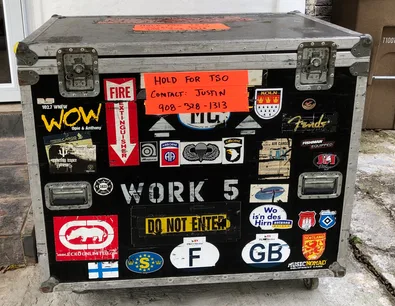
That started right after the pandemic. By this time, I was still at Joe's but touring was slowly coming back, I had lined up Trans-Siberian Orchestra and also a country artist named Justin Moore.
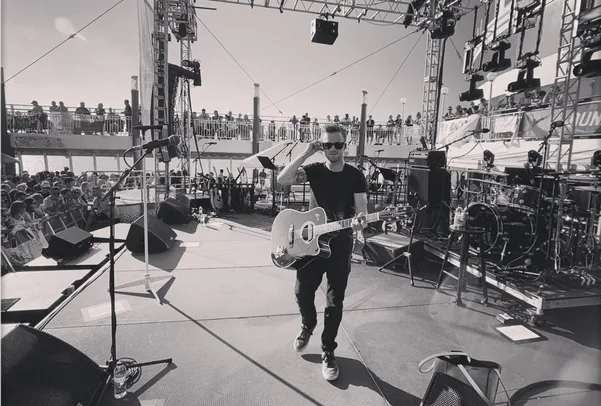
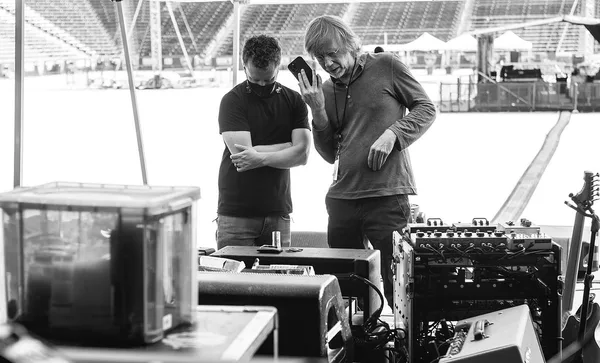
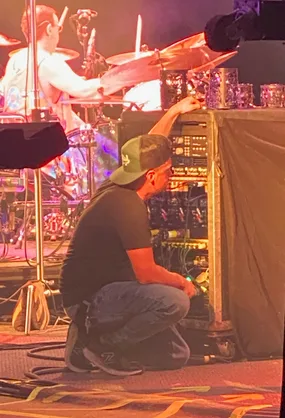
My production manager with Bon Jovi was also with Phish. He called and said he had a gig I couldn't refuse and that was it. Trey gave me a call soon after and we were on the phone for a couple hours. I was honest with him, that I knew a lot about his work but not the band, and that I had grown up on a lot of rock and punk, and Trey loved that. He's been an amazing person to work for, both as a human being and artist. It has been just plain awesome. Of course, my working world revolves around his, as it should. We joke that I am his road wife. I take care of all his gear. He is my sole focus. He loved the idea that I was young, and we might have the opportunity to work together for the course of his career. He invested everything in me, and also introduced me to Bob Bradshaw, who I work very closely with, too.
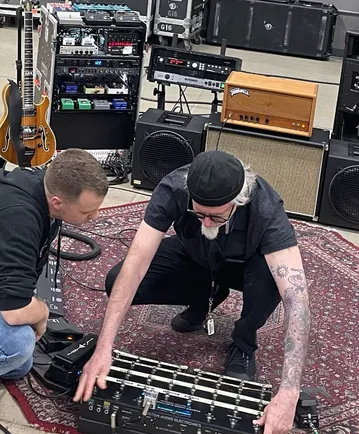
We are all great friends. He uses three original Trainwreck amplifiers right now and a serious pedalboard. Gene, who owned Ultrasound Studios in NYC, taught me to bias the amps and I already knew plenty of things such as potentiometer cleaning and general maintenance. How to manage a Trainwreck day to day.
TQR: You care for the amps, too?
Yes, and that was surely a learning curve for me, as well. Understandably.
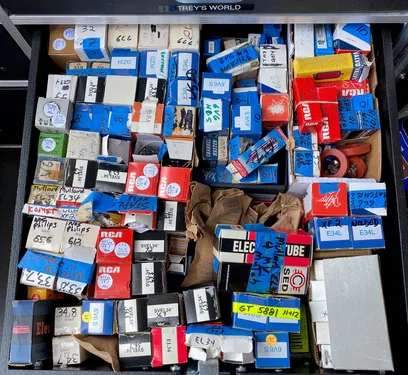
TQR: Are those EL34 amps? I'm pretty sure. I just went through twelve pairs of vintage NOS EL34s. I biased into a Marshall Plexi for a story and every single pair had a unique and different sound. They all sounded great, one nailed seventies Thin Lizzy, another was AC/DC leads, another had AC/DC rhythms, some had a ripping midrange, others a fat chunky vibey low end. Some were sweet and sugary but still gushed. We've got a great stash of old tubes, on one side of our kitchen all the cupboards have labeled tube journals, boxes of tubes, and notes. Our girlfriend of many years has always asked us what the heck? We simply respond, those are for amp recipes and guitar cooking. Oh, yea. They are so critical for feel as well as tone and nothing lasts like the good vintage stuff.
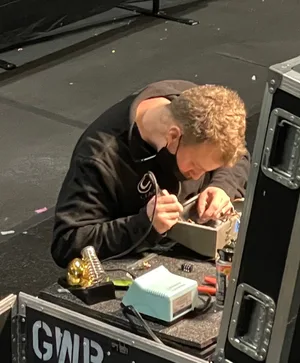
Oh Yea! We do that with tubes a lot. With Trey we have what we call the "Amp Summit" where we AB everything, from preamp tubes in V1 to power tubes. Everything matters.
TQR: Are you guys using NOS? You must be if you care so deeply.
Absolutely. Mullards XF2 power tubes, I have a ton of Winged C as our go-to when we can no longer get the best of the best. The spectrum of harmonics, the air and space in between the notes and chords, oh yes. We even listen to different grill cloths and speaker cabinets, speaker combinations, and record them, as well as have them labeled red/blue, pink, other colors, and we do pure blind tests. The only one who knows what each is, is the engineer. There is no stone left unturned here. He records them, too.
TQR: How cool is it that after all these years Trey cares this much to dial in the best he can to inspire and unleash his creativity? That is commendable, and yes, we understand. How are those guitars?
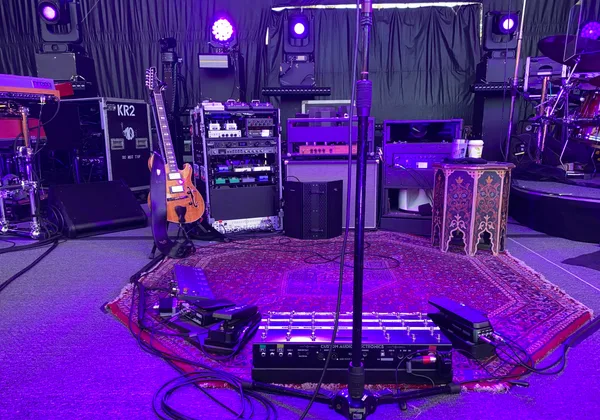
The Languedoc guitars. Previously, I knew about those guitars, but you would rarely see them around. Trey is the only superstar who plays them. They are incredible instruments, even the details in the binding and bracing. Acoustically they sound like no other instrument I've ever heard. The mid-range is almost like some rad old Airline guitar where it is prominent and woody, yet there is this balance acoustically like a violin or cello would have.
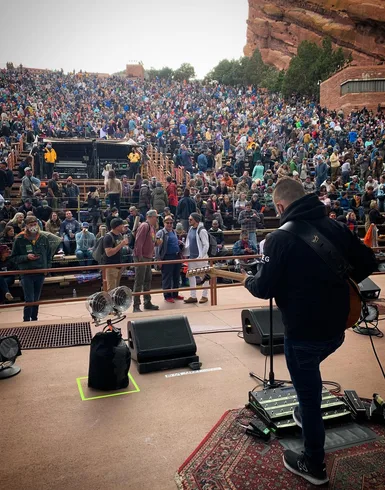
TQR: There must be a great black panel Deluxe Reverb or two around there? We have seven vintage Fender amps here.
We have some vintage Princetons and Deluxes here, for sure. Growing up, I was always into Marshalls and once heard Joe Bonamassa talk on his Nerdville show how nothing sounds like a Gibson through an old Fender. That is a great sound. I have a '60s Bandmaster I'm doing some tweaks to, as a backburner project. I'd like to personally get an old tweed or two for myself. With Trey when we find something good, we get three of them, the main, the spare, and the backup.
TQR: It's all about the backup. You need to hear a vintage tube Echoplex at some point. Have there been any bizarre or crazy crash and burn moments with amps, guitars, crowds, weather, or the road?
I've got a story for you. It actually happened recently in Denver, we were on our last night and the show had been delayed due to lightning strikes and rain. When we got the green light, I believe we had about forty-five mins to pull tarps and be show ready. Things happen fast and you try your best to catch anything that may happen, but in this case, there was some water that collected on the tarp and ended up in the back of the Trainwreck. There was no way to tell as it looked like it had mostly just gotten on the outside head case. Turning on the amp it blew a fuse, then another. At this point it's time to move to the spare rig and implement the back up. By this point I made Trey aware of the situation, although he did not know the full extent and was expecting me to get him back on his A rig within a song or two. The bass tech Ron and I immediately went to work. Ron has a very strong background in electronics and amp repair.
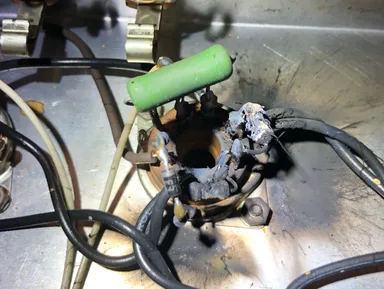
With poor lighting, we cleaned around the power socket with alcohol and tested the resistors. It took some time because there is not a whole lot of information on these Trainwrecks, there are two resistors in place to lower the noise floor on your heaters. We were going to have to live without these in order to get the amp back out to Trey. I threw in new tubes, did an extremely quick bias, which we left a little on the cooler side, plugged in. Remember, the show has been going on this whole time. Things seemed good and I got it back out to him within forty-five to fifty mins into the show. He played the rest of the night on the amp, and it was great. Those are the moments that count, and the reason artists have their guys they count on. It was also an amazing moment of teamwork between me and Ron. I'm undoubtedly grateful to have had his help. Needless to say, after the show when Trey saw the photos, he had realized what we had to overcome to get it back out to him and he was extremely grateful. That's why I love working for him.
TQR: Are you guys using the Evidence Audio cables from Tony Farinella? It looks like it in pics. We've got the Lyric HG, and for twenty years have always told other players about them. We use speaker cables from him in our vintage amps, every single one, and the Source AC Cable. The difference is truly beautiful. I cherish all those cords, and even use them with our vintage Echoplexes.
Oh, I know! Trey uses the Lyric HG, even though it doesn't have the flexibility of the Forte. His cables get so beat down and we use as much of that as we can. I had Tony sell me spools of cable, along with all the materials he uses so I can make them on the fly. I love Tony's work and really appreciate how willing he is to teach me things, since I am someone who not only wants to learn why something is different, but also why I am hearing it differently. I've always tried to surround myself with people like that. When you hear a different cable or something else that isn't top notch you are reminded how bad some things can be.
TQR: Can you share your general wisdom on guitar setups, and neck relief? What have you learned? Every tech has different thoughts.
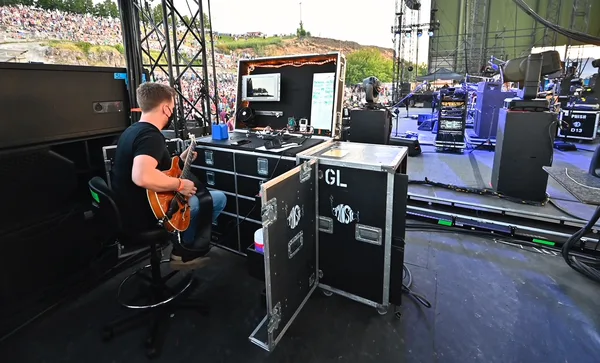
More often than not, players tend to like a little more neck relief than you'd think, sometimes more than other luthiers may want to do. A straight neck can make the guitar feel stiff. When you dial them in with a touch of relief, if you mindfully think about the way things oscillate and have movement, it can let the player roam differently. Granted, if it is some hard-core metal guy doing his thing, that's another deal. All of this comes down to how each artist plays. Typically, the lower the action, straighter the neck... I may have stolen those exact words from Joe! Nut height is another big one for me, getting that just right, both for tuning stability and intonation. It starts there. Something like my "Gibson G string doesn't stay in tune," is likely a poorly cut nut or the material itself can be problematic.
TQR: For sure. When Joe set up our '53 Goldtop with us, we kept telling him to raise the action and handed it back and forth, and he said, "Thanks for being someone who loves high enough action Riverhorse, so the guitar can resonate and explode." We love getting under those strings and driving them. Low action is not toneful. Uninspiring plunk, versus whomp. There is no comparison unless you are some telecaster chicken pickin' burner, maybe.
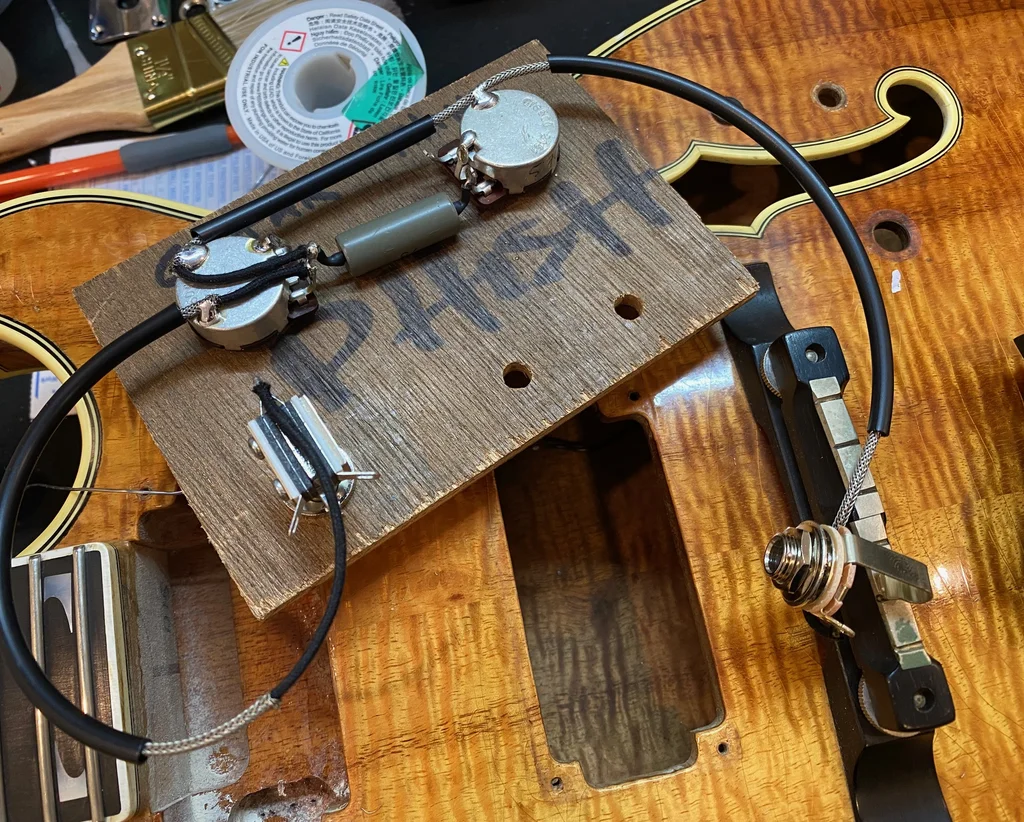
That's what I've concluded in some cases, myself. Matt, at 30th Street gets things so low, and it is amazing, but there is plenty that happens when you bring those strings up. Great old PAFs will bring out the acoustic features of an instrument, and the right setup lets it shine. Some people say tone wood doesn't matter with electric guitars, and that is absurd. It absolutely matters. Once you find a good guitar acoustically, you can go down the rabbit hole of potentiometers and values. I like neck pickups with higher values around 550k depending on the guitar. I often work my way back to lower values for the bridge. I want the top end to come through where we need it and tame it where we may have enough bite. It takes time to find what's right for each guitar.
TQR: We are sure you've noticed that the neck is where pretty much most modern pickups get it wrong. They just don't have the magical woody, earthy clarity, and that is the worst. Some guys will send us an underwound pickup for the neck to review and it may have some treble, but that doesn't mean clarity. Clarity to us is clarity throughout the whole bandwidth of the chords and notes, clarity in the bass, mids, and top end, with a top end that is pleasing and not an ice pick. Good luck finding those pickups. And let's be clear that many of the PAFs out there floating around for sale are the dogs, that keep getting bought and resold because they don't make the grade. Yes, vintage pickups can be lame, too, sometimes.
This is totally true, when it comes to pickups, I've tried a lot and have spent a lot of money through the years, just ask my wife! There are two guys who I love their work. The first is Pete Flynn, who is out in Wisconsin. Can I introduce you guys? He's making some great stuff. When you hear those true fine PAFs, that sound like the ZZ first album when Billy Gibbons played the "Brown Sugar" song track, to me that is what they should sound like.
The second is James Finnerty of ReWind Electric. I went to him to work on a set of pickups for Trey and we have become great friends since then. He custom designed a set of his 1958 coils, using different magnets and underwinding the neck pickup slightly more. Twenty-four fret guitars make it even harder for those neck pickups to sound even close to right. James adds this wonderful, what I would call a signature to his pickups, so they are clear and bright but without a harsh top end. He seems to be able to create this for all his pickups. It was a great choice for Trey, who only uses one guitar. We can get it to bark when we need to. Thanks to James doing his thing, we can get an EL34 amp to sound chimey and clean with his pickups, pretty cool! Trey loves them.
TQR: Yes, that song is a cornerstone for us, too. Billy used to stop by and catch up, take us for supper. We know Pearly Gates, for sure. Big Tex made him a lot of great guitars and we had some fun. Billy is larger than life, and working with him and Nacho on the Pinecaster story was a hoot. Unfortunately, very few people have even played guitars with PAFs in the big picture, so they can't understand what we are describing. We had twenty vintage PAFs we put in and out of guitars and I was able to buy my favorite pair. With a great neck PAF, you can actually play all of your leads on it if you want. Try that with most modern neck pickups. No thanks.
Yes, it's crazy. Pete is a friend of Jamo, who was a drum tech for "The Jaimoe" in the Allman Brothers, but also was the drummer for the Greg Allman Band for a long time. Jamo told me about him. I bought a set of Flynn's on a whim, and they are incredible. We just got a couple sets for Derek Trucks and Susan. I'll either send you mine or have Pete get in touch. The vocal quality of great humbuckers and how things change on the upper strings are wonderful. You've got to hear Flynn's. As soon as I dropped them in, I bought more and changed them into everything else. My arsenal of guitars has been outfitted with either NOS wire ReWind Electric or Pete Flynn's A5 set, depending on what I felt was best for each one.
TQR: With a gig like yours, it must be stressful to put that guitar on a stage with thousands of warm bodies filling the seats and some nights air conditioning hitting it or weather changes at an outdoor venture through the evening. How does that guitar even stay in tune?
It's always a gamble and some guitars are simply more stable than others. Trey only plays one guitar the whole night. With John Shanks we had thirty some guitars a night, oh, man. So, I'm lucky. With Trey's guitar, I tune it up, seriously stretch those strings, stress it, and have it ready for soundcheck. Trey takes it back to his dressing room and as he's walking out to that stage sometimes, he tunes it a bit as he's getting ready to rock and roll. The hardtail stuff isn't as stressful as other guitars might be. I really like the Stringjoy strings out of Nashville. Under the nut and saddles I've always used WD-40 just a touch, which Matt taught me at 30th Street. It doesn't dampen the harmonics of the string like other products do, but with that being said, sometimes you may want to dampen it. There's no right way. Guitars with tremolo bars will keep you on your toes. And keep that neck clean with a cloth and ready to rumble. Necks that are stable rarely do too much. We hope so, anyway! I like to stagger what I am changing, different guitars each show. When they wail on certain guitars, each show I change the strings. Absolutely. Some players you can go a couple shows, though.
TQR: You must know that guitar well. Fun fact, you can even use that WD-40 on your tube pins and sockets, as much as it freaks some people out. Gotta do it. We love the Gabriel Tenorio strings. We'll give Scott Marquart at Stringjoy a call and spend some time with his work, we bet they are great strings from what we hear. Have there been any memorable moments you can share from these years out there?
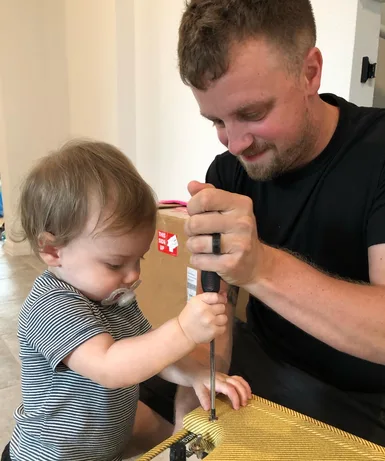
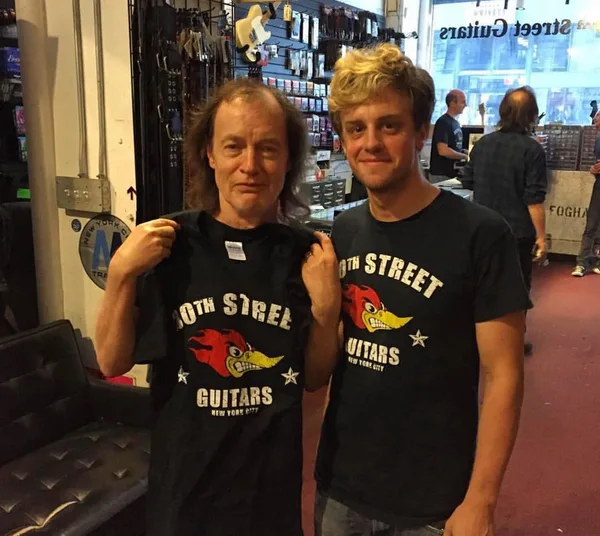
Certainly, out with Phish. So many times. Getting to meet Angus Young was fun! And early on in my career I was out with Bon Jovi and I was underneath the stage with all the gear while they were cranking up the song "Living On A Prayer," and being a Jersey kid, I remember getting goosebumps thinking how lucky I am. I didn't become that rockstar I thought I was going to be at thirteen, but I found a skill and passion I love and have taken that skill and love around the world. Being out there, I do miss my family so much, I wish I could get a job being a dad, I love being a father to my son so much. So, a truly meaningful time for me was when Trey cheered me on as a father and made sure I didn't miss the important moments with my family. He keeps his promises. This is not a business for Trey. He is such a good human. There is the Divided Sky Foundation you should write about. Everything gets poured back into his gear and the causes they support. Sometimes they are out on the road with us enjoying shows. It's too fun watching my two-year-old roaming this music world, this ToneQuest.
TQR: It sounds like you found family, with Phish. Family and love are the reasons we are here. It doesn't get any better than that. What's on the path ahead for you?
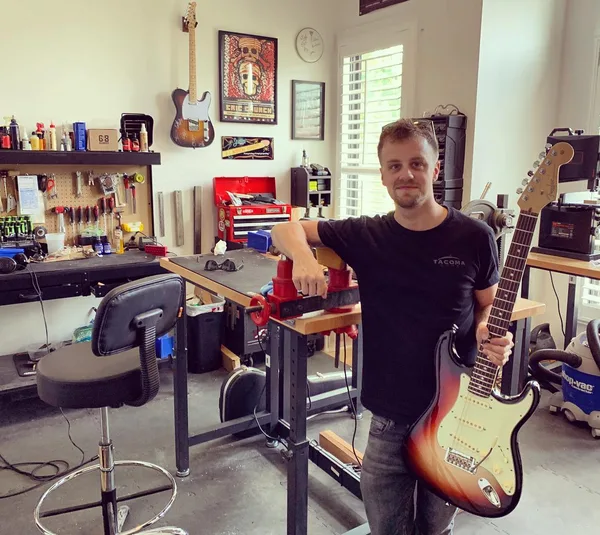
Phish is a year-round gig and I dream of being able to keep this job with Trey until he doesn't want to be out there anymore. And I hope that day never comes. I'm working on some guitars of my own, and perhaps building a small batch product line someday. And I hope to teach my son how to work on them as well. It's so cool to be in here telling these stories. I love what I do and am so grateful. TQ—Riverhorse