
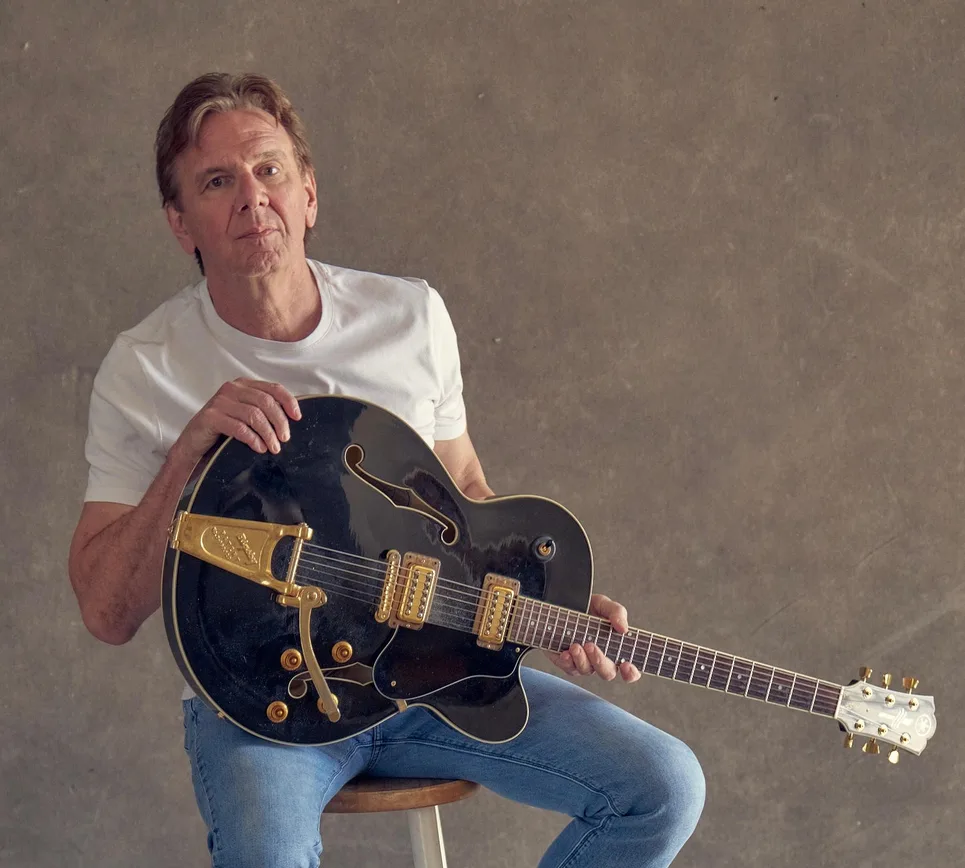
Photo Credit: Nathan Chapman.
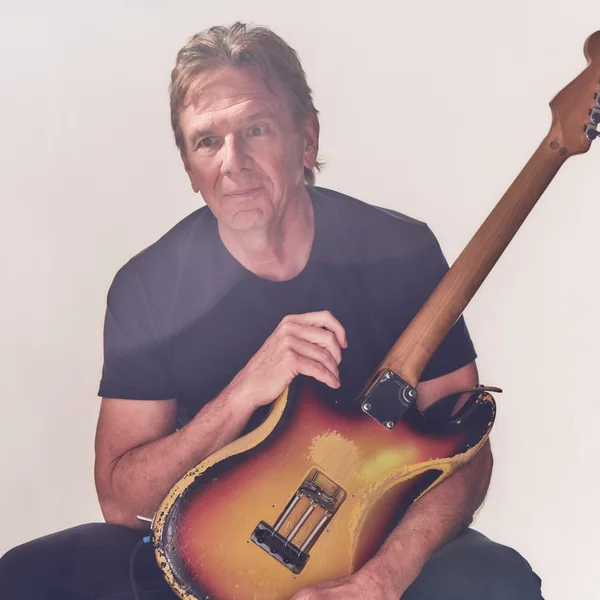
"I've realized the most satisfying part of my musicality isn't what I've done as a producer—it's when I'm playing the guitar. It's like coming home."—Dann Huff
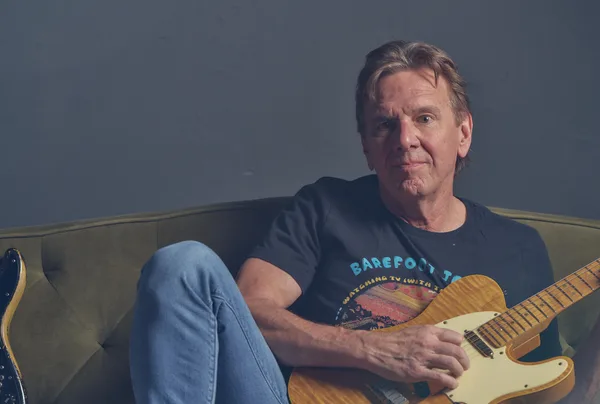
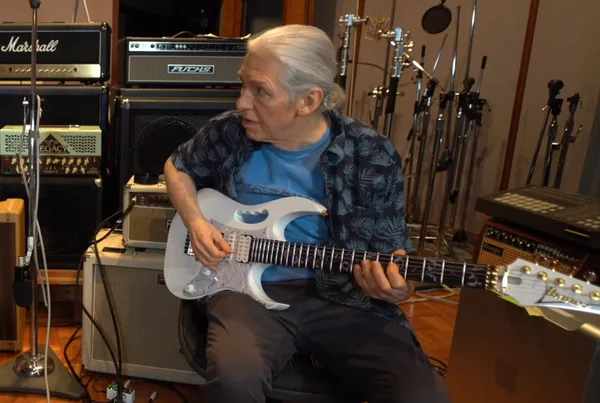
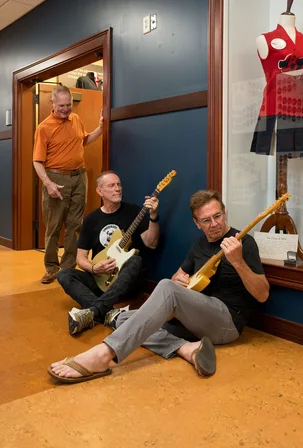
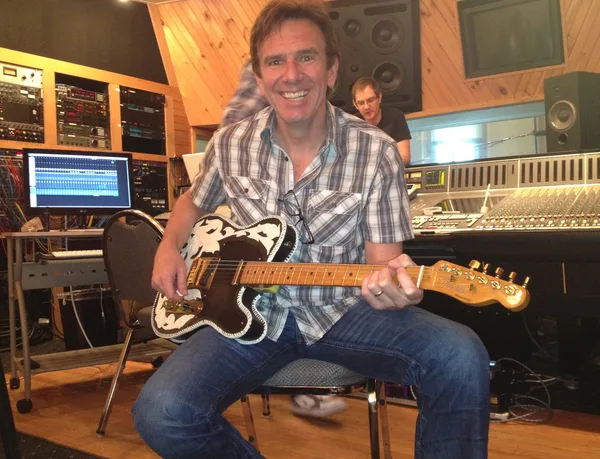
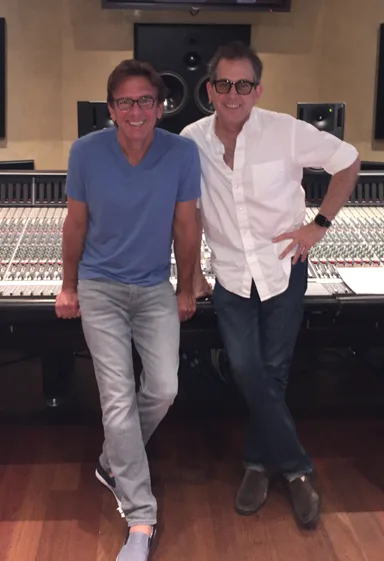
This special issue focuses on Dann Huff, one of the most heralded studio guitarists of the past four decades, who's noted for having a list of credits that's almost incomprehensibly vast. But equally notable is that he's interviewed by another heavyweight, Grammy-winning guitarist/songwriter/producer Gordon Kennedy, who is not only one of Dann's contemporaries, but also a friend since their high school days. If it feels like you're eavesdropping on a conversation between longtime pals, it's because that's exactly what it is. Here they discuss tone, technique, equipment, and their mutual admiration (and a little bit of good-natured rivalry from time to time). Pull up a chair...
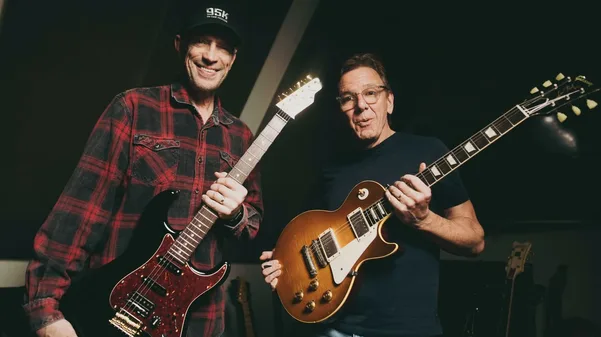
I was present at the 2023 Nashville Songwriters Hall of Fame induction ceremony, and among the inductees that night was one Keith Urban. He gave thanks to many people who were pivotal in his career—and, of course, to his family. The last person he thanked was Dann Huff. He told the story of how Dann had been brought in to produce a record for him, and what he witnessed the first time Dann walked into the studio with the musicians. It was Dann's mere presence.... Well, let's let Keith tell it:
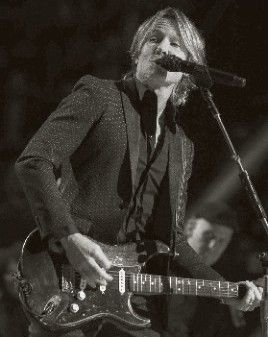
"I had been in the studio for about a week with this great bunch of studio musicians—fantastic group of players who'd been playing great all week on about a half-dozen songs I was recording. And then, the very first day Dann came in, he walked into the studio and pulled up a chair right in the middle of the room, with the players all around him. We played 'Somebody Like You,' which was the song we were getting ready to record. And because I was playing banjo on the session, I watched all these players just completely elevate—in their musicianship, in their attentiveness, in everything. You could tell everybody had so much respect for Dann as a player, first and foremost. You know, he's one of them. So, it wasn't like a 'golf-playing' producer who doesn't play any instrument wandering into a session. He was one of the greats—on the floor with these great session players. So, the whole thing elevated exponentially. And I knew I'd found my guy."—Keith Urban
I am with him—and with them. I've always had the utmost respect for Dann—not just for his talent, but for the class and dignity with which he carries himself. Dann has been a friend of mine since we were in high school together. The two of us were second-generation musicians with big shoes to fill. From the beginning, he was an ever-inspiring, pace-setting example to me when it came to music and humanity. I had to get better if I was going to keep up with him.
Gordon: What was your first instrument?
Dann: A Wurlitzer acoustic guitar. [Laughs.] Isn't that fitting?
Gordon: Yeah, did you ask for it?
Dann: My dad was in church music. I was born in 1960, so you know when you're seven, eight, and nine years old, when you start tagging along with your dad, they would have these little youth musical groups—kind of folk music groups. Everybody had acoustic guitars and I would go and just hang out with them, and I was enamored with that part. My parents were both piano players, and I didn't have as much interest in that.
Gordon: Had you taken piano lessons at that point?
Dann: Not until I was 10 or 11 years old. So, you know my dad was not a guitar player at all and probably saw the name Wurlitzer....
Gordon: [Laughs.] And he recognized that brand.
Dann: So, my first guitar was a sunburst-finished Wurlitzer. I wish I'd kept that guitar.
Gordon: What did you do with it?
Dann: That's a mystery. It probably sounded horrible.
Gordon: You said the other day that a lot of your equipment over the years evaporated, and you don't know what happened.
Dann: Not a great custodian of gear.
Gordon: My dad said the phrase, because I would say where's the guitar you're playing in this picture. He said, "Things just had a way of walking off back then." [Laughs.] He didn't know what happened to a lot of it; but you're the same way.
Dann: Well, unless you have a facility to curate and protect your instruments. You know, I just never had that. The oldest guitar that's been in my possession is that Yamaha.
Gordon: I remember when you got that.
Dann: I got that when I was 16 from a guitar player named Pete Bordonali.
Gordon: Now you're talking about the electric SG 2000. I remember when you got that.
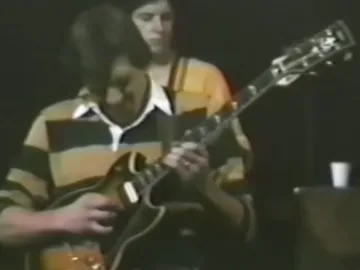
Dann: And that was the guitar I played in the first White Heart Band. It's been designated as my slide guitar because the action is quite high on it. Sounds pretty good and it's fun to play because you have a double cutaway. It's lovely.
Gordon: It's like your SG, as far as access. "Where the dust is," is what Jerry Reed would say. That's cool.
Dann: I have pictures of Dave and Ronnie, my two brothers, and me—when we were very young. I think this predated the Wurlitzer guitar. It showed us all around the coffee table with three hymn books on it, and we each had a tennis racket converted to a guitar to play. So, the interest was there. It stuck with me.
Gordon: [Laughs.] So, the shape of the racket meant something to you early before you started playing guitar.
Dann: It did, and the acoustic guitar came in and that was it. I hope somehow in this interview you can communicate our parallel lives and the disparity of our instruments.
Gordon: [Laughs.] Well, you've mentioned that a lot these days. For me it was a badminton racket, and I also thought I was left-handed.
Dann: [Laughs.] That's hilarious.
Gordon: But that's another thing about you: You're actually left-handed. So, how did you wind up playing right-handed?
Dann: Again, it wasn't even a decision. It was just the way I picked up a guitar—probably picked up a guitar from one of these guys that were playing. It was just there, and I just didn't even think twice about it. I've never understood the left-hand or right-hand idea on guitar because it's two hands and you've got to have both hands going, so it never made sense to me.
Gordon: I've never heard anyone say that. How much did learning to play piano ultimately teach you about the guitar?
Dann: I would say a little bit of theoretical knowledge, just enough to get me to where it was applicable and understandable. The mystery of the guitar fretboard doesn't equate that much with the piano and how the piano is systematically laid out. I think it's a better teaching tool in a certain sense, but that's about the extent.
Gordon: Yeah, when my son started learning classical piano, that translated to mandolin for him.
Dann: I'll bet. Well, then, the mandolins have 3rds and 5ths, right? So that makes more sense to me.
Gordon: So, what would you say was your first good guitar?
Dann: I think my first electric was probably that Aria Les Paul copy.
Gordon: Was it an Aria Pro II?
Dann: It wasn't cheap, whatever it was, but it did hit the spot. I was probably 16 when I got that Gibson 345.
Gordon: Yeah, that was an ebony-colored 345. Did it have the Varitone switch on it?
Dann: Yeah, I didn't get that back then; it was pretty usable, a little midrange thing.
Gordon: Right. You could get some interesting kind of funk "quack."
Dann: I never used it, but yeah, it was sweet.
Gordon: On a side note, my dad has a 355 from '73, and I had that thing taken out and made mono instead of stereo. Was yours a stereo guitar?
Dann: Yeah. I didn't have two amps.
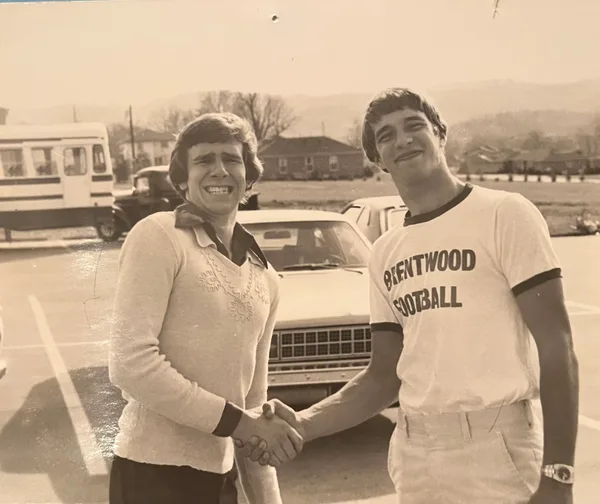
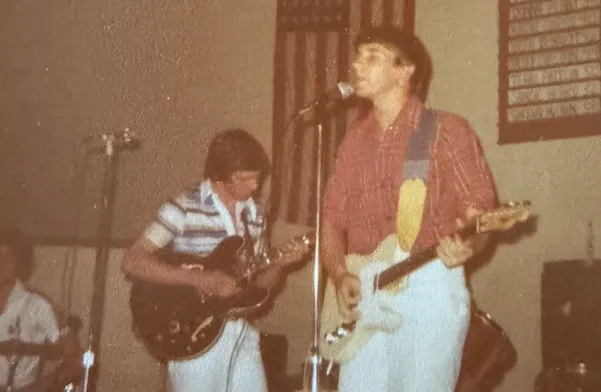
Gordon: Okay, so you find yourself just using either the bridge or the neck pickup. What I remember about our days in high school, we would play something by Bachman-Turner Overdrive or something that every garage band would play, but, because you're in the band, we would venture into Stevie Wonder's "Contusion."
Dann: [Laughs.] Which I never got under my fingers but I was gonna give it the best I had.
Gordon: Well, I'm just saying nobody at that time, as far as I know or ever heard of, was attempting such.... For me, you were so far ahead. You were the best front lead car, and just to keep up with you, I had to continually better myself to keep your rear-end in my sight because I was thinking about sports so much back then. You were there—even though my dad was a guitarist and in music, you were the reason why I thought, "I gotta get on it." You lit a fire under me.
Dann: It was mutual. There's a commonality to the language of music: all the dialects. Once you have an interest, which I think we did when we were kids, there's a nuance to the different dialects. I don't know if that's a really great analogy, but it works for me. If you become intrigued like you were, obviously a Jerry Reed aficionado but, also Tom Scholz, too.
Gordon: I liked all the classic rock.
Dann: I don't know why I didn't gravitate towards these nuances. We didn't know this when we were in high school, but I didn't feel that I was outpacing you at all. I felt just the opposite way, because everything I heard about what you did was what I didn't know. What's the cliché?
Gordon: Iron sharpens iron.
Dann: I think our mutual curiosity—we both played sports. You were better than me.
Gordon: Well, not at baseball.
Dann: [Laughs.] But I think there was always a sense of the best part of competing, because you made me feel that I wanted to get better.
Gordon: First of all, it's worth noting that we grew up in those formative years for us as wannabe musicians and getting better at our craft at a time when you wanted to know who are the guitar players in that band and this band, who's playing on that record. It's not so much that to me these days. I don't know if it's because I've changed or it's changed, but back in those days we wanted to know. I remember coming over to your house and you playing records for me that I was unaware of, and blowing my mind. So, who would you cite as your influences through the years, and particularly the early years?
Dann: That goes back to when I first became fascinated by studio musicians from the get-go. My situation was different from yours. My dad would go in and hire rhythm sections for the records he was working on. I don't remember the first session that I went to, but it may have been pretty close to the beginning. I remember there was a guy with a big top hat on and had incense around him.
Gordon: Jimmy Colvard!
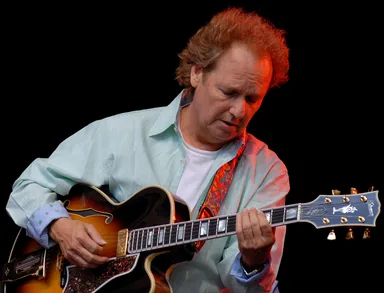
Dann: Yeah, he's playing acoustic guitar, of all things, which is really interesting, and you know, it may have been Pete Wade. Reggie Young was certainly a part of that group. There was a kind of revolving door around the guitar players because music my dad was doing was not guitar-centric. But they were always good bands, and I latched on to that more than anything when I was 13 or 14 years old, for sure. So, that led me to a guitar player named John Darnielle, who was doing sessions in Nashville. He came over to our house in West Nashville and showed me a scale—spent probably the better part of an hour that changed my life. And because he was a studio guitar player, it was just that. That's where my interest lies. So, through my teenage years, my ears and my mind were open to all these studio players. You know, obviously, back in the '70s we didn't have computers. The brand, the line, whatever, the new way we talk about this stuff now, they were singular personalities, human beings. So, if you heard something new, it was always because it was a new person interpreting something. I thought that was the golden age of Los Angeles recording. New York had lost its luster a little bit and still was hanging in there. Great guitar players were there, but that was the day and age of Larry Carlton and Lee Ritenour, Jay Graydon, Mitch Holder, Dean Parks... I mean, yeah, down the list. I would buy records based on who the guitar player was at that time, consequently, and fall in love with the music or at least accept the music.
Gordon: How about Dennis Budimir? Tim May?
Dann: This is another thing: My dad would record on the West Coast, and I'd always ask him who the guitar players were. I don't think I ever met Dennis, but I met Tim when I lived out there. My dad would inevitably mention he had a son who was interested in guitar, and they'd send a pick or something like that. Jay Graydon sent home a jazz fake book for me, which to this day I still have.
During that time, the Steely Dan Aja record came out and it wasn't a new language, but it was not part of my remedial kind of harmonic knowledge. That opened up a whole new door to playing—my terribly narrow view of the world through the eyes, the lens, of a guitar player. To me, the singers, lyrics, everything about music that makes music wonderful, was so secondary. So much to the point I'm almost embarrassed to admit how much music I missed during that period. Originally, if the guitar player was not what I considered more finesse, a higher-caliber musician... I don't know. But I missed Jimmy Page the first time around. I wasn't even interested in Jimi Hendrix as much because he wasn't the real chops-oriented player. Tuning was negligible; it was not required for the veracity for which he was playing. I missed all that, I went down another road, and you mentioned "Contusion." That was Mike Sembello. It was anything that seemed unreachable for me: that was what I was interested in, and consequently I played like that—always just missed by a little bit, but it gave me fuel to keep going.
Gordon: Right. I used to high jump in high school. The last thing you do every time you compete as a high jumper is miss—every time. You finish with a miss, but you keep moving the bar up. So that's what you were doing as a guitar player, which is fantastic.
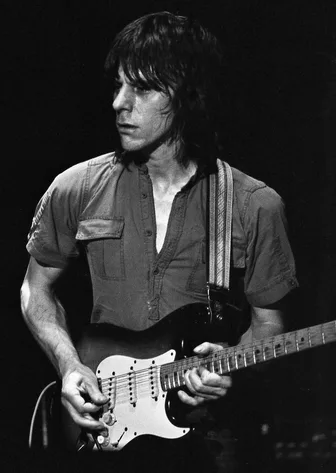
Dann: I wouldn't leave it hanging there. I mean, all that stuff you know which you don't get first time right, second time around, that's in truth what I could remember of that time. One exception: The rawness of Jeff Beck appealed to me. There was a lyrical quality about the way he played, right?
Gordon: I would say when Jeff Beck would do a song, it's almost like when you were describing the sections of the song, I find myself saying verse-chorus because it seemed like the guitar is his vocal. So, all of the songs that he did through the years, the stuff that's my favorite of his, seems to be structured like sung songs.
Dann: It would hit me the exact way it was: It was composition.
Gordon: It wasn't a guy exercising NAMM chops and what he would play in the booth at the NAMM show as music.
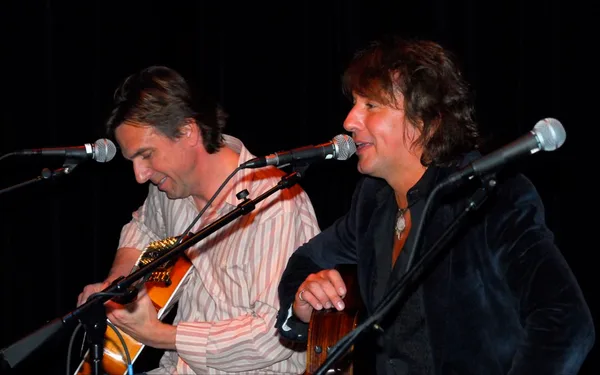
Dann: We always waited for the solo because that was the impressive part, right? You get through the song composition and so you can show us what you got... everything was that for him. It was all a solo or it was all composition. His lyricism—that stuck with me. In my older age, I'm writing songs and I realize how much I am affected by his music. That was so deep-seated, and it affected everything I probably have ever done—even the stuff that doesn't sound remotely close to it. You know, there's something melodically, touch-wise, whether it was when I was playing rock music or pop music in the first part of my career or in country music now. I can trace so much of what and who I am to Jeff Beck. Isn't that weird?
Gordon: It's also good if you can do it. [Laughs.]
Dann: A guitar player who really affected me, too, in my late teens was Steve Lukather—first time I heard Toto. It was like Larry Carlton finesse, but with a ridiculous vibrato, and he was such a violent guitar player. He was just, what, 19, when he first did Toto? I always noticed we guitar players are kind of like wide receivers. I think we're just Neon Deions, all of us. It's easy for us to give credit to people that are twice removed from us generationally, or it's always hard to compliment and give due credit to our peers. I kind of fight against it because I just don't want to be like that, but Steve Lukather affected me so ridiculously much that when I had moved to the West Coast I saw some article that he wrote.
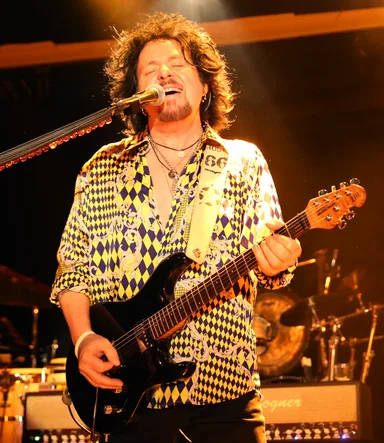
There's this new guitar player—he sounds a lot like me!
Gordon: [Laughs.] But he was also paying homage to you, too. I remember reading the same, where he was saying, "There's this new guy...."
Dann: Yeah, but in truth, I did because he was the benchmark. That's always the idea where I'm laying at this point. Unless we're just some prodigious kind of mutant dropping out of space, we all follow, we are all bits and pieces of everything that we were drawn to. I think that's the hardest thing about wanting to be unique, but our uniqueness is in the lineage. And it's just interpretation and it can be very small degrees. It doesn't have to be that great. When I listen to myself now whenever I play anything, it sounds either like Jeff Beck, Larry Carlton, or Steve Lukather, and other people I'm reverential about. But I can't come anywhere close to playing like them. If I have any wisdom, I'm letting go of and kind of pulling away from that stigma of being afraid of letting my influences just shine.
Gordon: Good gosh. How long did Paul McCartney tour before he started playing Beatles songs?
Dann: There you go.
Gordon: He finally said, "Wait a minute. This is part of me." I've always told people that as a songwriter, I always have Roger Miller sitting on this shoulder and the Beatles on this shoulder. Just can't help it. They're fighting to see who can get the most of their DNA into what I'm doing. I certainly hear the Lukather thing with you. I remember my first time in the studio, where they are rolling 2-inch tape and I'm playing, it was with you, and I remember we did the thing for our high school and the coaches.
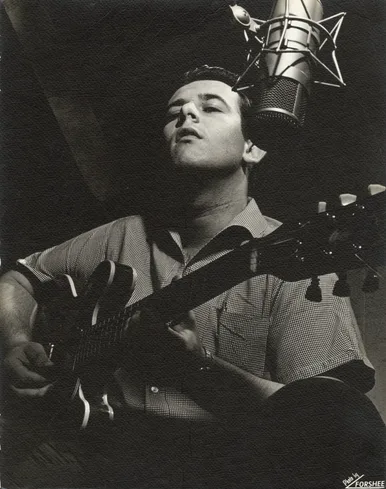
Dann: Yeah, your dad took us into the studio.
Gordon: Besides that, had you ever been in the studio? What was your first full-on session as a professional musician?
Dann: I may have done one demo session before that, at Lee Hazen's Studio By The Pond. I remember the name TJ because they sent me a cassette of it—probably a gig that my dad said, "Hey, my son's good—you know, you don't have to pay him," or something like that. One of those, you know, our dads would give us—just enough to hope for, but not too much for them to be accused of nepotism and for us to be saddled with that thing, too. I started going to Belmont College then, but I remember that day because we went over to Belmont Boulevard.
Gordon: The coaches were at Mercury Studio, which became Sound Stage. But we also did a thing at Belmont studio for my brother, who took a summer class there in production and as their project they had to do a session, so he got me and you, and we did an Eddie Rabbit song. [Laughs.]
Dann: I don't remember that one.
Gordon: Yeah, we played "Crossing the Mississippi" by Eddie Rabbit, and that was at Belmont.
Dann: Really. Okay, that's for Bryan.
Gordon: Yeah, and dueling Mesa/Boogie amplifiers. This would have been in college. Because Bryan had gone to Ole Miss. But he took a summer course at Belmont.
Dann: That's lost in a little bit of a black hole. I had stuff predating that. How old were we when we did that thing with your dad when he took us in?
Gordon: I was a junior and you were a sophomore in high school.
Dann: So, around that time recording became kind of on the horizon.
Gordon: Alright, but then you looked around and said, "I'm a professional musician."
Dann: Well, it probably would have been in '81 or '82. The first big thing that I remember was Greg Guidry.
Gordon: Oh, gosh. I remember that single. It was "Goin' Down."
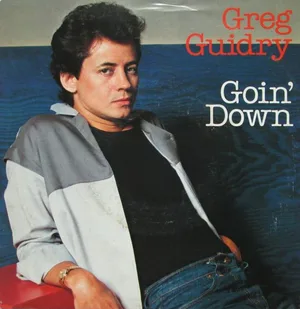
Dann: Yeah, that was a demo that they released from Sound Stage Studio, done after hours, probably midnight on. And then he had a producer from Los Angeles, John Ryan, who signed Greg to a record deal probably based on that demo. They realized they weren't going to cut it better, so they just used that. Then he hired a studio band, and one of their members was David Hungate of Toto. Yeah, just to move to Nashville and we did a whole record and part of that whole thing. I was probably 20 or 21, and that led to conversations with David Hungate about how I was enamored with his band. I was shocked that he was moving to Nashville, because for what I wanted to do and what I aspired to do, it was not a friendly town. This was the anti-youth kind of anti-chop, "settle down, boy" kind of town at that time. Not everybody, but for the most part it was, and L.A. thrived on new meat. David said, "You know, that's probably where you need to go to hang your shingle if you want to do what you're heading for." So that was the thing that got me into a string of demos. I was a rock guitar player, for all practical purposes, and then that led to a Lou Rawls record, which changed my life.
Gordon: I remember hearing your solo on "Goin' Down" on the radio. I'm probably the only guy in the world at that time hearing this killer guitar solo who thought, "Yep, that's Dann." It was the first time I heard you on the radio, and it wouldn't be the last. So, then it was Lou Rawls. Had you moved to L.A. at this point?
Dann: No, that was the thing that precipitated that. Ronnie Haffkine, the producer of Doctor Hook fame, was out overdubbing in Los Angeles on the same record, and it was a typical scenario. He was working with the young multifaceted arranger/keyboard player named Robbie Buchanan. Robbie was just like a rocket ship in the Los Angeles community, and he said, "Who's playing guitar on this?" You know that's always our ticket, right? And that basically was followed by a phone call one day and it was just nothing—it was just like a guy. Robbie's 10 years older than me. He said, "Hey Dann you should really come out here. We could use somebody like you." That was the beginning. And I played footsie with it; I would go out there and carry all my gear and play a one-off. I told some people to hire me as though I lived out there. This was a time when they still had contractors from the old days, so a contractor was the liaison between the producer and a musician. The producers didn't call you up back then. There were professional contractors, and they would deal with all the union stuff. There was a guy named Frank DeCaro, who was kind and would book me on a double session, and I would get all my gear, pay a porter 10 bucks to put it on a flight, rent a car, schlep all the stuff to a studio, play the session, and fly back that same night or the next morning, based on if I had a demo in Nashville. I was going in the hole because I didn't realize that you could charge them for your expenses. I was hurting my back, and I was hurting my wallet, but I was gaining a little bit of traction and people were hearing my name. That went on for about a year and a half, and then Sherri and I both said, "Let's give it a shot." That was the whole metamorphosis of leaving Nashville. We moved in '83. Time moved slower back then, right? You know—when we're younger and it felt like forever. I remember a lot of sessions I would be out in Los Angeles and then I would take the red-eye to Nashville and be in the demo studio the next day. I can't believe that my gear always made it!
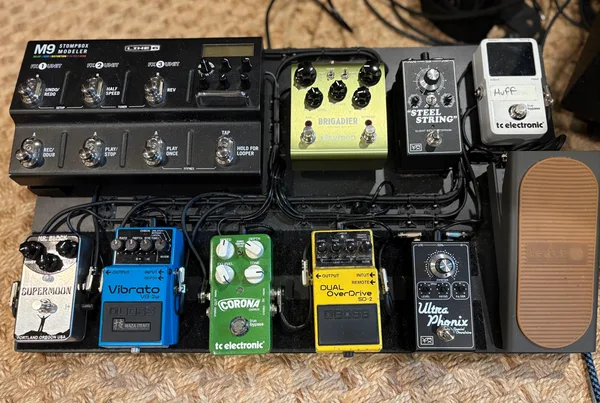
Gordon: I also have a foggy recollection of you being the first person I knew personally to put together a pedalboard. Do you remember your first pedalboard?
Dann: Jerry Jones built it in Nashville. Jerry is a great luthier. It was a work of art, and my rack was a work of art. Everything was done in a beautiful wood dovetail, and he somehow synced it up. I don't think everything ever quite worked—I had pedals and a Lexicon digital delay, the first model, all that kind of stuff. So, it wasn't really Tonequest-worthy, I would say. Everything has kind of just thrown in.
Gordon: [Laughs.] It was prehistoric by today's standards. I remember guys using plywood.
Dann: It would have been a lot smarter had I done that, but I just I didn't know the difference. I had all these Anvil cases made for everything, and they were really nice. I don't remember what was on it. It would have been whatever was available in the day. I'm sure there was a red compressor there.
Gordon: I remember reading something in Guitar Player, where they all pretty much had that same pedalboard: a [MXR] Dyna Comp, a [MXR] Distortion+...
Dann: A/DA Flanger—remember that?
Gordon: Mu-Tron III...
Dann: I guarantee I had a Mu-Tron Phasor at some point. All that stuff was there.
Gordon: And Echoplex. A lot of guys had that on the back end.
Dann: Which I never had. I skipped the good stuff. I remember a Mesa/Boogie amp, and that was pretty much it. I did have one of those Yamaha transistor amps that were pretty versatile. They were Twin-worthy, 2x12s in them.
Gordon: I remember when you got that and coming over to your house to hear it.
Dann: I wish I'd kept that—I mean all those amps.
Gordon: You've still got your Boogie, though?
Dann: No, I lost that one. I have no idea where that went.
Gordon: My gosh, you lost it?
Dann: I know. You have an eye for all this, it was beautiful.
Gordon: It was the not the padauk, but the other brown color.
Dann: They were like art pieces back then; it was just beautiful. That one is gone.
Gordon: I remember saying, "I'm thinking about getting this amp or that amp," and it was a Mesa/Boogie like yours. Then there was a half-stack Marshall, a 25th Anniversary, and you are the one that told me I should get the Boogie. You were right because I used that thing for years.
Dann: Do you still have yours?
Gordon: No, I had a tech tell me that at some point the chassis was going to start to dip and cave, and they're so hard to work on. But at that point I was switching to older vintage, the old vintage tweed and stuff.
Gordon: I kind of know this, but I want to hear your heart about what's it like being a second-generation music person to your dad? How much influence did he have over your life, not just in choosing what you wanted to do, but even in how you chose to do it? At some point, how much influence did Ronn Huff have on you?

Dann: I can't disentangle that from anything else. He was the person I looked up to, a wonderful father. I remember it was probably more just the example he set in how he worked on things. I think by osmosis I absorbed a lot, you know? Because I was into guitar and rock music, which was the polar opposite of what he was into, we didn't share a lot of musical interests. But he had such a strong musical quality, and I think I just intuited that. It was passed down in a way—not through lessons or lectures, because he never held court or anything like that, but through his advice and his presence, especially regarding my growth. That probably affected me the most. These were wonderful musicians—people who had studied so deeply and sacrificed so much to become that proficient, to play in a symphony orchestra. And that whole world was kind of lost on the rock and pop generation, right? I mean, if you could play guitar, shred a bit, and had the look, which seemed to matter more than whether you were truly proficient. But my dad had this gentleness about him, and he genuinely cared about human beings. That affected me musically more than anything. And honestly, it's shaped everything I've done since, in every aspect of my career.
Gordon: I can attest to that—because, obviously, your love for melody has shown up in your playing your whole life. But it's also the way you treat musicians. If you give your dad credit for setting that example, it really shows.
Dann: Even if it's not just about respecting people, it's also, from a basic business standpoint, simply a better transaction when people feel... Well, I remember when I was playing sessions and someone invited me into a sense of ownership of their music, so to speak. I performed at a higher level because I had something to aim for, as opposed to being micromanaged, where you feel like you can't really contribute and you're just there at the disposal of someone else's creativity—you kind of check out at a certain point. And that carries over into all relationships. Because when someone genuinely says, I want to hear what you have to say, then it becomes a conversation.
Gordon: And this you may or may not remember—back in high school, in your kitchen, your dad was in there with us, and he said something I'll never forget. He pointed to you and me and said, "You guys are going to show the world how it should be done." And I just remember thinking, well, that was very sweet. But honestly, I probably can't even imagine the amount of pride your dad must've had in you, through everything you've accomplished and the way you are as a human being and a musician. Your dad was right. He was certainly right about you and what the future was going to hold, about what you would end up contributing to the quality of life for so many people down the road. Do you have any highlights, as far as sessions or favorite artists you've worked with? Were there any spectacular sessions that really stood out for you? I asked my dad one time, "Have you ever been in the studio and before the reverb died on the take, you knew, oh my gosh, this is going to be a hit?" Have you had moments like that in the studio? Or favorite artists to work with, just things you'd want to tell your grandkids about someday?
Dann: You know, it's funny—because I had two different iterations of my session career as a guitar player. The '80s was one, and living on the West Coast. That whole time almost felt like a dream sequence in my early twenties. All of a sudden, I was in the presence of so many people who, up to that point, were just names on the backs of albums. There was a surreal quality to it; everything felt magical, everything was a first. I can still, in my mind's eye—and even my mind's nose—smell what Sunset Boulevard felt like back then. Walking into those iconic studios... Ocean Way, which used to be United Western, and places like Conway Studios—just being in those complexes. And first of all, I'm not saying all this to dilute the question, but because everything really was like that. Sherri and I have talked about this—she said I just didn't seem to have a worry in the world. Not in a blindly confident way, but I think I was just young, in awe of all of it, and naive enough not to fear what I didn't know. So, everything was great. I'll separate it like this: there were always celebrities, stars—people who were a big deal. You'd walk into a studio and there was someone the whole world knew. And that was an affirmation. You felt like you'd been invited to the party. I think, musically, the sessions I'll remember the most—well, it goes back to when you and I were in high school. Boz Scaggs was putting out records, and he always had the crème de la crème of guitar players, right? And I thought, I want to play on a Boz Scaggs record. So, I got a call from Bill Schnee—a dear friend and a Hall of Fame legend. He was going to do another Boz Scaggs record; he'd done the last one, and Boz was having a run of hits. Bill put together this band, and I'll never forget it. He said, "I want you to be part of the original tracking band." And I thought, oh man... For a musician, that's the call. Now, I'd already played on some big records—big-name pop stars and all that—but Boz Scaggs? That was the A-list guy for me. The only other one that would have rivaled that, probably, would have been Steely Dan—which I didn't get asked to play for.
Gordon: So, you had to settle for Boz Scaggs. [Laughs.]
Dann: Yeah, right. But that was the dream. I didn't have much of a jazz base for it. We had Jeff Porcaro on drums, Marcus Miller on bass—he came in from New York, just a ridiculous player—and Peter Wolf, the Austrian keyboard player and producer. He was spectacular. That was the core rhythm section: four pieces and me. And then Bill brought in different players. You know, David Paich would come in, and Allan Holdsworth came and played on one cut. I wish I'd been there that day, but I guess they didn't need me. But the irony of all ironies—and this will show you where I was at the time, and I do love this young version of myself because I was so incredibly naive—I don't even know how this happened, but I started writing songs with Boz. He came over, I guess he heard something. I would always make stuff at my house. I'm assuming that's how it started. He's a very inquisitive guy, and he said, "Well, let's write a song." So, I started writing these tracks for Boz. He would just take them with him. I'd record them, and then he'd say, "Oh good, I'll just write a lyric and sing over it."
Gordon: He needed you...
Dann: I would tailor-make these tracks so I could play a guitar solo. I didn't care about anything else. I didn't even have a publishing company, never asked about publishing. It just didn't matter to me. I didn't understand that side of the business. What I did know was that I was guaranteed a really serious guitar solo opportunity—and I took it. The irony about that record is that it came out during a big shake-up in pop music. You know, everything was changing. I remember at the time, Debbie Gibson... This gives you the climate, right? You know, Madonna was massive and all that. And the reason I think Boz's record was... well, it was a little forward-thinking at the time, or maybe it just wasn't as pop as what had already been done. So, they disfigured his record—horribly. The tracks we had originally cut were just unbelievable.
Gordon: But you don't get to hear that at the end of the day.
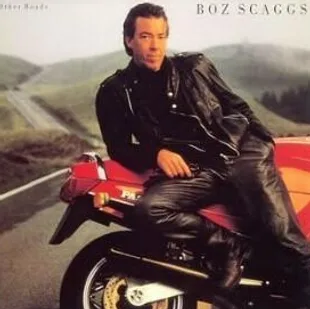
Dann: Here's the interesting thing—and again, this is just one of those bizarre things. They changed it. Typical record company story: "We don't hear hits." And I don't think the record ever really had a hit. It's called Other Roads. He may have had one slight hit, but my songs ended up staying on the record—they were just deep cuts. So, I still got my guitar solos on a Boz record—and that was it. But I remember one day, Bill said, "Well, on this song, would you like another guitar player?" And I said, "Yeah, you think so?" I said, "Steve Lukather." All I did was sit there and drool and watch him play, just to see how he played. To me, that's funny, because if you asked me the most seminal moment—what probably rated above everything—that was it. That was my dream scenario. And it was probably the most affirming moment for me, like: You're good enough to be in this crowd. That was pretty awesome.
Gordon: The Boz Scaggs experience, or was it the day Lukather was there?
Dann: The whole Boz Scaggs thing. I learned music from others, and I realized why Los Angeles was so good at that point—because the money that was in the record industry at that time allowed for time and for subjectivity and objectivity. When we were growing up doing demos, you'd get five or six songs in a three-hour session. Then I went out there, and if you got a track in a day—that was good. You could just take time with it. You had to work at it all the time, but you also got time to step away from it. And the musicality—it was the place to be. It was a draw for musicians from all over the world. I remember sitting with people like Jeff Porcaro and learning more about my own instrument from a drummer. And I'd be remiss if I didn't mention the guitar players I grew up with during that period. Mike Landau—I sat with Mike countless days. Two electric guitar players, just barely out of puberty—felt like. He was that extension of what I described earlier—with you and me in high school. He just did stuff I couldn't do. I'd go home and practice. Or Paul Jackson Jr.—I'd be with him, and it was the same scenario. I didn't get to play with Steve much, but when I did, it was eye-opening. I'd make the circuit, get to play with Dean Parks—and he was so out of my league. It was like a master class, all the time.
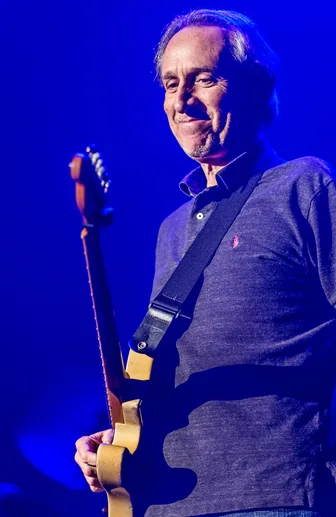
And at a certain point, I think I just felt like I was part of the team. I wasn't always sitting on pins and needles, but the cumulative effect of all those years out there—and the way music was made—I felt comfortable in it. And it kind of set my sights on where I was going to go. It was a great time. Now, Nashville—long answer to your question—but when I got back to Nashville, I didn't think I was going to be a studio musician anymore. But with the failure of my rock band, and bills coming in, and kids on the way—and already here—I had a choice: either move back to Los Angeles or learn a new format, which was country music. Country music was changing, and it just grafted me in, without me having to try too hard. I didn't have to change anything, and that was the remarkable thing. Basically, it was "do what you did." So, I regurgitated the '80s for another decade. And it worked. In the process, I learned. I was smart enough to know—I'd come back to Nashville a few times and played on some country records. I played for Waylon Jennings. I had no business playing on a Waylon Jennings record and I knew it. But you learn things. They wanted me for what I did, and I wanted to be as good as those guys at what they did. So, it was real transactional, in the best way. It was good, I think, for everybody.
Gordon: You touched on Giant. What was the catalyst for venturing into that? And what did you come away from that experience with?
Dann: Just restlessness. I was playing so many records, and by this point, I was in my late twenties. So, I was a seasoned, grizzled old veteran and still a young man. And let's be honest: You start to see the underbelly of the business. Some of the records I was playing on, I thought, "Well, I can do that, too." I wasn't really taken by the idea of being onstage all the time.
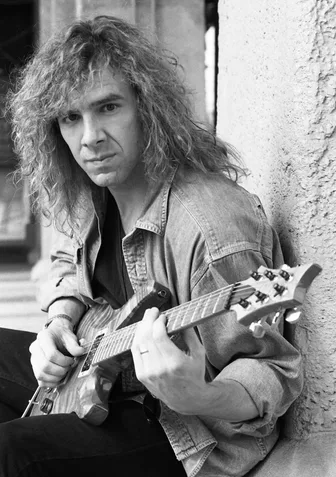
Gordon: Was that the first time in your life you were standing up to play guitar?
Dann: [Laughs.] Yeah, really. In high school I always sat down. That's funny. I finally made a record. We started as a practice band, and then me singing and writing. All that stuff came because we just couldn't get any traction with the people we were working with. [Keyboardist] Alan Pasqua and I just did demos at my house. I found out I could sing fairly decently. We got signed, another fairy-tale experience. We thought we'd just go to a record company and see if we could get signed—and we got signed by the first one. So, we must have had something pretty cool. And then, after we finished our first record, I remember standing in the front hallway of my house, in front of a full-length mirror, practicing for like two weeks, singing and playing those lyrics, because I didn't know how to do that. And then, once I learned, it was "Well, it worked."
Gordon: And the people you were playing for—at least from what I saw, when I saw you guys live—were all guys. Just tons of guitar players. [Laughs.]
Dann: My brother never let me forget that—where were the girls? That was the missing component to our appeal. But I was already a father, so it didn't matter. That chapter kind of wrapped up and forwarded our move back to Nashville to raise a family and to say goodbye to that part of my life, that studio career. Then the '90s came in with hair bands—which we were one of—and we got booted out unceremoniously. It became "Learn something new." And honestly, it was the greatest stroke of luck. It was a great period, but not for everybody—anytime something new comes in, somebody gets left out. You know what I mean?
The new thing was rock music making its way into country music, and so I was a beneficiary of that. During those years—the '90s—it was the same scenario as it had been in Los Angeles. I got to hang out. I was sitting next to Brent Mason. And it was the same thing—he's just a beast. I had no facility for that kind of playing. But I had to learn how to become at least proficient enough to where I could coexist. And there you go: the beginning of a new education.
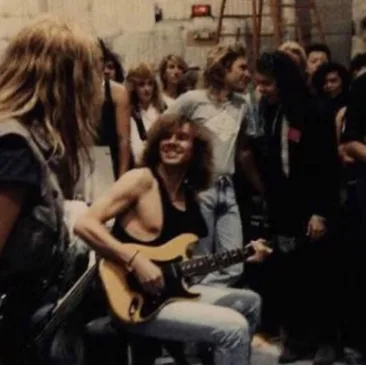
Gordon: I've yet to meet somebody who's out of your league.
Dann: Well, you know what I mean. It's not false humility. The key is, you've got to allow yourself to be humbled by it but not overwhelmed by it.
Gordon: Did you ever have times when you walked into a scenario and the nerves got to you?
Dann: Oh, man. Yeah. I remember sitting in on a session once, and James Stroud said, "I need you to do a chicken pickin' solo." And guess who the acoustic guitar player was? Brent Mason. I remember him sitting right across the room and just looking at me. He's one of the most gracious human beings I know. And I'm sure he was thinking "This poor guy." He could've done it in his sleep. I had to really work. But, yeah, all that stuff—if it doesn't wreck you, it grows you. I think it's a good thing because it reminds you: you've got a skill set, but you're not everything.
Gordon: At some point, you have to go into the scenario thinking there's a reason they called me, and you trust that. You're gonna get thrown some curves—as you probably know. So now, let's do a little bit on guitars through the years. Obviously, your main guitar is hanging right over there on the wall. Tell me about that one—that's your most recorded guitar, right?
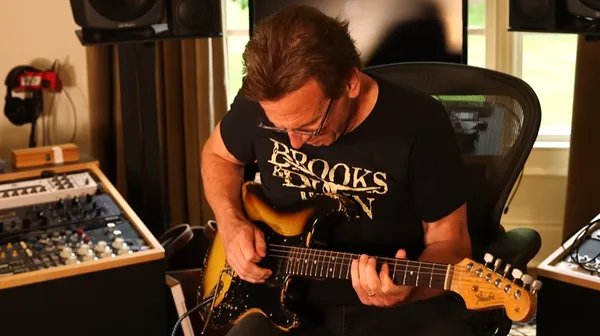
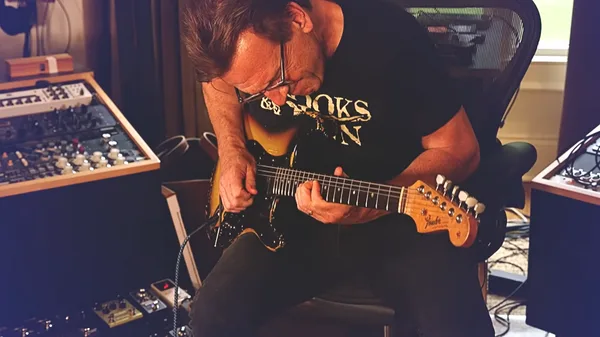
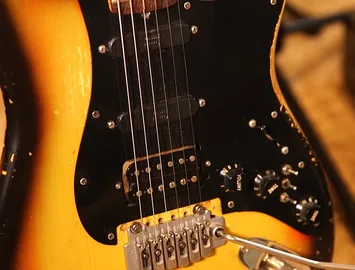
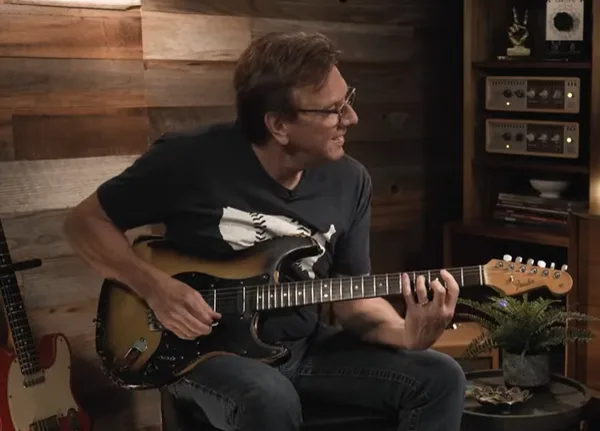
Dann: Yeah—I got it out in L.A. I saw what Steve Lukather was playing and went out to Norman's Rare Guitars and bought a nice vintage Strat. They told me it was a 1963—not a mark on it. I took it to a young guitar tech named Jim Tyler—who's now become somewhat iconic in the industry for what emanated out of that repair shop and eventually into a full guitar line. And I said, "Make it like Steve Lukather's guitar." Basically, put a humbucker in the back, whatever, just soup it up and put a midrange boost in. And I didn't even know what happened with the original pickups. He asked me what to do with them, and I said, "Just keep 'em."
Gordon: [Laughs.] Joe Glaser has a box at his store of like a '56 Telecaster that Jerry Reed came in and had him replace parts over time—these Mighty Mite pickups, this neck, this body. Ultimately, Reed has a Mighty Mite Telecaster and a '56 Telecaster in a box at Joe's. You never really cared about the pickups?
Dann: I didn't know to care. I didn't have any instruction. I would have cared—it wasn't like I was brazen about it—but I just didn't know enough to care. And that guitar literally became my Los Angeles experience through the '80s.
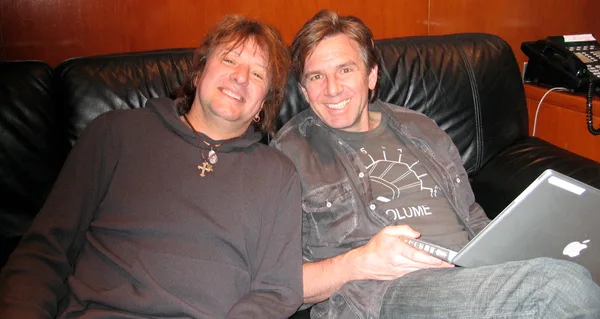
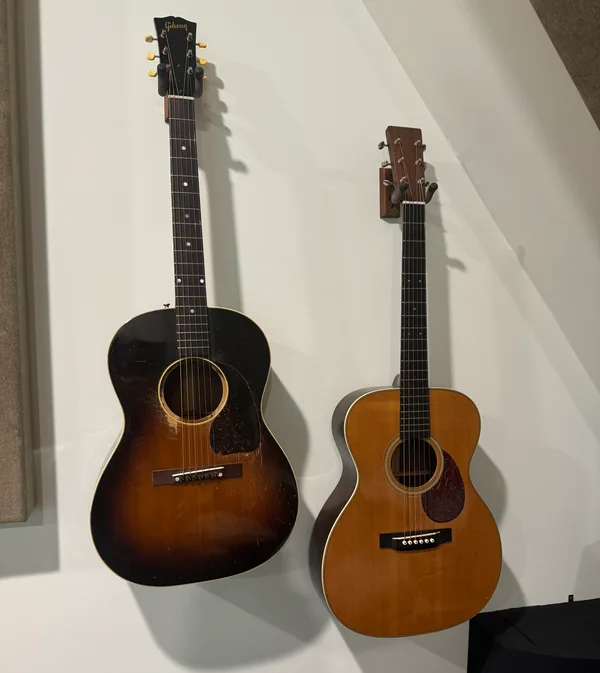
It was so versatile. A lot of my work was in rock and pop—and the sounds we were using back then had that kind of chiming, clean quality. I was not into using multiple guitars. I probably had—what?—you see eight guitars out there now? Back then, I probably didn't even have an acoustic guitar.
Gordon: Did you ever play acoustic on stuff?
Dann: I may have done one. I'd say 98% of it was that one guitar. I mean, it didn't do open tunings, because I had a Floyd Rose on it. I never used a capo, either. It just wasn't the thing. I did well enough.
Gordon: And knowledge of the fretboard can kind of replace a capo, as good as anything.
Dann: Totally opposite from what I do now, but that was the guitar.
Gordon: I remember being on a session with you, both of us playing, and Mike Brignardello said to you, "There's your million-dollar guitar sound." You had zeroed in and whatever you were using, he recognized it from so many big records. What was the million-dollar guitar sound?
Dann: I don't know what he was referring to. It was probably one of two sounds I used. I feel like I existed on two sounds: one with altered gain—like "Damn The Torpedoes."
Gordon: A clean tone—what was it?
Dann: I had a version of the Tri-Chorus, a knockoff from Japan called the Songbird, a Dimension D, and run them together—and running stereo. The key was the rack Bob Bradshaw built for me. It had two outs so I could go straight from the rack into direct boxes. Then we had two little cube speakers—Pacific Woodworks. They probably had 200-watt EV12L speakers in them. They were pretty hi-fi and put out a lot, and the cabinets had little bass ports, so they carried a nice amount of bottom end. And on the pedalboard switcher, if you went to a clean sound, you could configure it so all the routing would change. It was probably a Mesa/Boogie amp I was using as a preamp, then going through all that chorus, the two choruses, digital delays swimming back and forth and permeated our thought process from that standpoint. But the direct signal would kick on. So, you'd preset that level with the engineer prior to the session.
Gordon: So, you weren't feeding the cabinets anymore at this point?
Dann: I was feeding both, and that was key. The direct gave it that crystalline quality, which cut through all the synthesizers during that period. That sound was on so many records, and that's why Mike said it. It ended up being in country music for quite a bit. As a matter of fact, I kind of got bawled out by a producer one time because I finally got bored so much so I wanted to play straight in. He said, "What are you doing?" I said, "I thought we were moving past this." He said, "No, we're not." That was the thing. I've forgiven myself for the lack of creativity during that time.
Gordon: If it works, don't fix it.
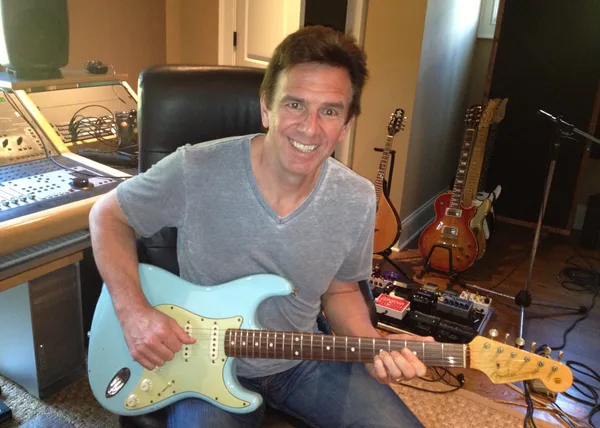
Dann: That's what people wanted. You're in the service business as a studio musician. That was the sound. And whatever cheap components I had going worked like a charm. It just had its thing. Everybody had their version of it. Mine happened to be a good one. It cut through everything like nobody's business. You could hear those little arpeggios, those plunkin' rhythm parts. No matter how full the mix was, it was always there.
Gordon: It was a thing. And it still is.
Dann: I did an interview recently—and of course, I don't have any of that gear anymore—but I was able to almost recreate it using plug-ins and that same guitar. That guitar, because of the components and the mid-boost, was always engaged. You could disengage it, but it still did something to the top end. It's not super-appealing to me now, as a player, but from a sound standpoint, it's magical.
Gordon: There's something active in the guitar's circuit.
Dann: The mid-boost. Even rolled all the way down, it still affects the top end.
Gordon: Who made that?
Dann: That was a Jim Tyler mod.
Gordon: Does it have something you could tie gain to?
Dann: The mid-boost, yeah.
Gordon: Is it similar to what Clapton has on his guitar?
Dann: Sure, but who knows exactly what's in that guitar? Something about it hypes the top end when it's clean. Even with Tyler's signature model now—We were comparing guitars yesterday, and I actually like the sound of the new one that's a copy—they said they got the boost from Demeter, the Demeter Midboost. They swear it's the same specs, but it actually sounds better. Less hyped—sounds more guitar-true.
Gordon: It's more comfortable for what you're doing now. Interesting. So cool. Any other go-to guitars from those sessions?
Dann: I had a Les Paul, probably had a couple. I had that Yamaha. But I don't think I played any other guitars—maybe on a rare occasion. But there was that guitar—and I was happy as a clam.
Gordon: These days, you've got a bunch of guitars lying around, and I see a Jim Tyler over there. Are you playing any in the studio, or do you do it all at home now?
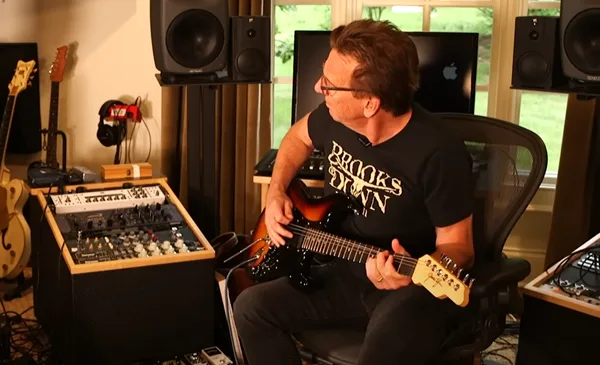
Dann: Every once in a while. I'll do a tracking date, but over the past three years, I've tamped down a little bit. It used to be an asset—sometimes I could reconfigure parts while we were going through them. But I've just done so much over the last years, and I started noticing that as much I tried not to be too repetitive, I was hearing the recirculation of too many ideas—probably my ideas. So, I use less of myself in other situations. I usually come in on the back end now, working here at home. Plus, I don't have anything in cartage. If I do go out, I take a Matchless amp and two guitars—no pedalboard. It's easier to do it here. I've got it kind of tweaked in. I should've gotten one of those automated switchers. I still plug everything in manually.
Gordon: I do, too. So, what cabinet do you mic for home overdubs? Same cab for everything, or do you switch cabinets, too?
Dann: I try to switch cabs, but I'm pretty lazy. So, it's the Bogner 4x12. If I want to put a combo amp up, I'll put it in the vocal booth up here, you know? The Supro was there for a long time. My Deluxe is lacking a little something right now. I don't know what it is. It's a Deluxe Reverb—looks like it's mid-'60s. It sounds nice.
Gordon: Those are great amps.
Dann: I like the Swart. I would say my mainstay amp—if I had two amps—it was the Matchless, whatever I got in there in 1990, and then that Bogner.
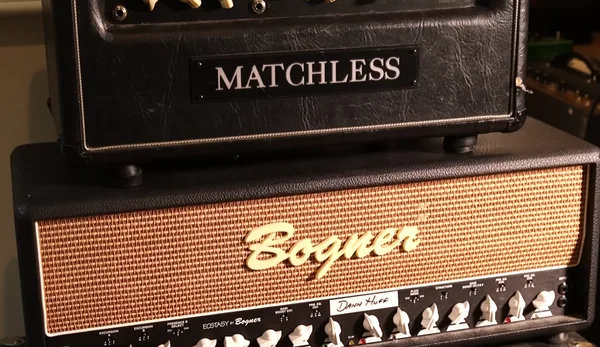
Gordon: I remember you coming and playing my Matchless. I was at The Dugout Studio on 17th. I had my Matchless sent there. You called me and said, "Can I come by?" You came in, plugged into my Matchless, played for 15 seconds, handed the guitar back, said, "I'm getting one of those," and walked out. [Laughs.]
Dann: Oh, really? Well, it's the most-used amp that I've had. It's the same one.
Gordon: Same with me. But I noticed that you usually use the channel on the left.
Dann: Oh, no. I use the right one.
Gordon: You use the right? I thought I remembered seeing you plugged into the other side.
Dann: I may have used it every once in a while, but no. It's got a little shimmer—not as warm and thick as the middle.
Gordon: Mine's pretty bright, and it's worked great. But the thing I've always felt about the Matchless—and this is coming from someone who grew up listening to and analyzing guitar sounds on records—is that you can walk around a room and plug into a Fender Blackface Reverb, or a Marshall, or a Boogie... all these different amps. And when you plug into a tweed amp, you go, "Yep, that's a tweed." But anytime I've ever plugged into a Matchless in the room, I can't, in my head, find a reference for it. But when you put a mic on it, it works on everything.
Dann: It takes on the personality of your guitar. It allows the guitar to really speak.
Gordon: Boy, it sure does.
Dann: The Bogner was like the main solo amp. It just seemed to be versatile. I only use Channel 2. It's not like I use any of the others. Channel 2 seems to be the good one.
Gordon: The blue channel?
Dann: Yep, I don't know what that amp is called.
Gordon: It's a 101B Ecstasy.
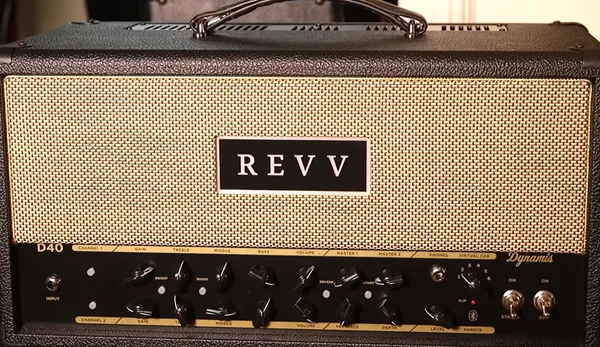
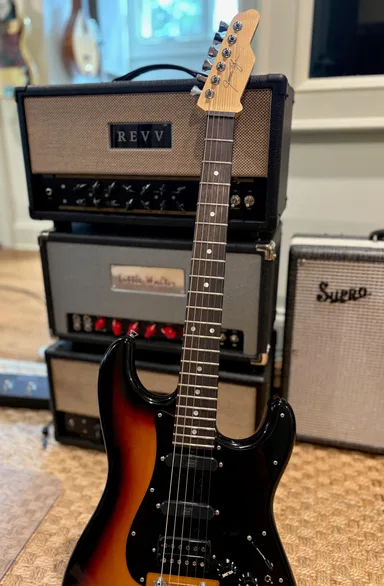
Dann: It's a really well-made amp. It's toneful. REVV Amplification sent me their version of that Ecstasy. And it's rude and aggressive and sounds more irreverent than the Bogner. It sounds like I'm 19—which is good. [Laughs.] It has a place, not for most of the music I do now, but I was interested in the amp. They were really kind. They came over and just left it here. I thought, that's cool. But I didn't have a lot of use for it. Then they called me back and said, "We've got this little 20- or 30-watt amp." If it were a vintage amp, I'd probably have paid more attention to it right away. I'm on the hunt for a really good Bassman. The one I've got is okay. Some of the guys I use—Rob McNelley, specifically—has one of the best Bassmans I've ever heard.
Gordon: Yeah, using two from 1962 out with Garth [Brooks].
Dann: There you go. Maybe you can point me toward a good Bassman. I love that sound. I'm not a vintage guy, and maybe that's a good thing, because at least I'll listen to some of the new ones. Well, you listen to everything. I played it and immediately thought, "Oh, I relate to that in a heartbeat." It was just one of those odd things where I realized I've been plugging into it a lot. It just works with what I'm doing. The reason there are two of them is because there's a little switching mechanism—I think it's a digital switch—and sometimes it wouldn't pop back onto the first channel. I pretty much just like one channel anyway, so they brought me another one. And the other one's been working fine, but they said, "Just leave it." So, I'm going to send it to you. Though I haven't tried it yet, you can run it direct, too. I don't know much about this company. I just know that I enjoy the amp a lot.
Gordon: Well, we'll have to investigate that—for their sake—for ToneQuest, so they can mention it.
Dann: And you know, there's just so much about sound, it's a really personal thing. Like I said, I'm not a vintage guy. I love well-made, vintage gear. So, it's not that I'm anti-anything—if it's new, I'm cool with that, too. Obviously, the feel of older wood—it's going to feel more comfortable in your hands. But I've played some new guitars that sound really good, like this Jim Tyler I played recently. It sounds and feels great. If I play it enough, it'll wear in the guitar a little bit more. Same thing with new amps. The first thing I did was plug my Jazzmaster into that REVV. My test is that—or the Rickenbacker. I don't know what year that one is, but it's a nice guitar. I play that guitar quite a bit these days.
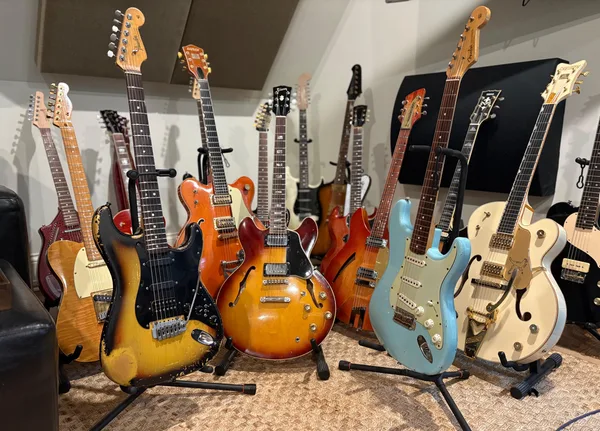
Gordon: It looks like you've got a Larry Carlton-esque 335.
Dann: Which I love. Yeah, I've had that one for a long time.
Gordon: And that's a Jerry Jones sitar. An early-'60s Les Paul Junior.
Dann: Getting back to the REVV, it does the same thing the Matchless does. It allows the character of the guitar to shine through. I like the tones that are just a little bit of saturation that respond to your hands. You can push it a little bit. And then we're using a pedal just to jump in a little more—that little Blues Driver. It does a nice job.
Gordon: So, it's a good pedal platform amp.
Dann: Yeah—for me, it is. The second stage—I've used that with a little more saturation, and it sounds really good.
Gordon: I just got these amps from Rick St. Pierre in Canada, called Wizard. And I think I'm gonna end up going back to one of his amps, where I don't use any pedals at all—just a channel setup. He's got a really good crunch rhythm thing, and then soloing. That would be good for our show we're doing.
Dann: You take Bassmans out, and what kind of cabs?
Gordon: We've got this thing called the Box of Doom, which is an iso [isolation] cab. It's a single 12, but you can do it with two 12s. Ours has single 12s. You pull the baffle out like a camera lens—just swap it out if you want to, or if you blow a speaker, you can just pop it out like changing a tire. They are onstage, off to the side—and you close the lid. So, you can be playing whatever amp, and you and I could be talking.
Dann: You still feel a little of the bottom end, just a touch of it?
Gordon: We're at Caesars now, so it's in a theater. But I'd still rather do that than use modeling technology or something like that.
Dann: Here at the house, the amp thing is in the garage, in a built-in closet. It's all padded up, but I still like playing, hearing and feeling it in the floor.
Gordon: I wrote down two things that took me a second to wrap my head around, coming from you. The first one was: When your production assistant called me years ago to try to book me on a session, I didn't even call him back. He called me a second time, and I think I didn't call him back because I thought, this is a joke, you don't need me. You finally called me—and I said, "What do you mean? Why do you want me? You can do it." And you talked me into it. You said, "I want you to come and do what you do." So, a lot of what you said earlier today really hit me. You've been such a great guitar player yourself, but you've also spread the work around like you've done—and that's very unique, to me.
Dann: Why?
Gordon: When I look at the success of people, there's something to be said for those who know how and when to do this. I've heard people say, my success is because I surrounded myself with people who are better than me. But the reason why it hit me so hard when your guy called me that day is because, in my mind, you're the best one in the room. So, the fact that you've continually had a revolving door—or that you've been so generous in opening that door to other guitar players—is just... hats off to you, and to the kind of person you are. Because, like I said, it went through my mind: What do you need me for? You might want to speak to that or share what your philosophy is when it comes to hiring guitar players. What's your thought process on that?
Dann: I know what I can do. So why hire someone to duplicate or try to do the same thing? What you want is a new interpretation. Personality. Everything that I'm not—which I'm learning is more vast than not at this point. [Laughs.] That's what it is—and we've been friends for years, so you know this. But what I'm saying is true: It doesn't matter what other people think about you. You know, in your heart of hearts, who you are. I've always felt like an impostor. I don't think I've ever really believed I was that good of a guitar player, period—my whole life. I've aspired to things, sure, but when I'm by myself, I always feel like I've missed everything by just that much. And I think—when you're younger, it's a harder truth to come to grips with, because you're struggling so hard to climb that mountain. As I've gotten older, I'm learning to accept that—that's okay because what I've seen it do, for me, at least, is give me fuel to keep getting better. But the feeling never really changes. When I hear myself play guitar, I'm very rarely satisfied with anything I've ever done in my life. So, all of that leads to the point where you go, "Okay, I'm not going to spend my whole life trying to cover that up. Just be honest about it." And what that leads you to is this other thing—surrounding yourself with people you think are better than you. Or—forget the adjective "better"—just surrounding yourself with different interpretations. You learn and ingratiate yourself with their musicality.
I learned that as a record producer. I got a masterclass for about 20 years from great producers. I didn't even realize I was being paid to play and be educated at the same time. I learned from some of the greatest producers in the world—people who, whatever their philosophy of making records was, always did exactly that: They set a table that you walked into, and they encouraged you to be more of who you were. The best ones did that. And I also learned just as much from some really bad producers who did the opposite, who made you feel belittled if something wasn't working right. I chose to go the other way. I also found that, when I listen to music, if it's too singular in its scope, I lose interest. So, I like hearing a wider palette. That's why I use a lot of different guitar players. They all bring something. I'd say I'm probably one of the easier producers to work for, as a guitar player.
And I'll say this, I know the perception of me. So, it's not like I can't conceive why people might feel that way. I've been asked before, "Do you think you make guitar players nervous?" And I said, "Well, maybe sometimes." My first thing with a guitar player when they walk in—and I guess I said this to you, though I wasn't as aware of it back then—"Just do you." If I need something else, I'll do it. And if you're in the wrong position for the song—that's on me. Because I've been miscast before too, and that's the worst. The worst feeling in the world. You feel like a failure. So anyway, that's my philosophy. But again, it's just this: Like when you grow up in church, which I did—all those rules seem so mystical and far off. But really, they're just common sense. You treat people well and you get the benefit of their depth—and of everything you're not. That's a long way to say it, but I do love hearing different guitar players.
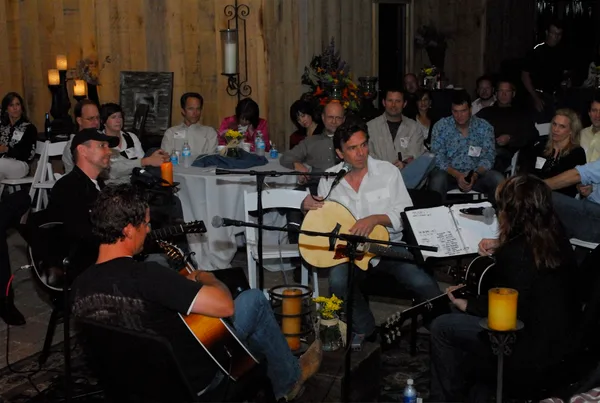
Gordon: I've got a picture of my dad in the studio—shot from the control room, looking through the glass. He's out in the room playing, and the producer is Chet [Atkins]. So that was me out there... and you in the control room. [Laughs.] That's what it felt like. And always—every time I ever worked for you—I was sitting there playing, wishing you were out there playing with me.
Dann: I think we're all the same.
Gordon: The other thing I heard you say—the one I had to wrap my head around in recent years—is that you're still taking guitar lessons from time to time.
Dann: I did—a couple years ago. I haven't taken anything recently. I really do have a gap in my musical knowledge—a massive one. And it's from a jazz harmonic standpoint. I've always loved jazz music, but I'm not a very good jazz musician. I didn't grow up in that, but I'm intrigued by the harmonic structure of those chordal relationships—and the melodic ideas. So, I fiddle with it—it just opens up doors. When you tune your guitar a little differently, it kind of breaks your patterns.
Gordon: I just picture you as somebody... if guitar teachers went door to door, and one knocked on your door and said, "I'm a guitar teacher," you'd say, "Yeah—What do you want to know?" [Laughs.]
Dann: I would take lessons—We'd meet over at that big super church off Old Hickory, down past Nippers Corner, up on the hill. I'd take my little guitar, and it was overwhelming. My only problem is my workload, especially back then. Man, I think it was four years ago—I just didn't have the time to practice adequately.
Gordon: What's this new project you're doing?
Dann: I'm 20 years in—at least—in being encouraged by some people close to me: "You should record something."
Gordon: You should do an album.
Dann: And, of course, everybody wants to hear that. But then there's scheduling. And to do it right, you need time. That's the thing—and I haven't had time. Not in all these years. And beyond my workdays, I want to be with my family. So, I haven't been willing to give up a lot of extra time. But now, as I'm getting older, I found myself with two weeks where I had nothing to do. It was the first time that's happened since I was about 20. So, I just thought, okay, I'm going to write a few songs and see if I can do it. And face some facts—like, my chops aren't quite what they used to be. How does that factor in? Well, practice a little more.
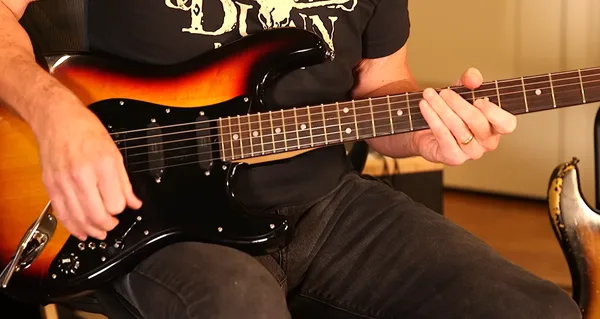
I started writing, and one song led to the next, and the next. And I started seeing a thread. The thread was: all roads go back home. Back home for me was Granny White Pike, Brentwood Academy, hanging with you in my teenage years, a lotta Jeff Beck, Larry Carlton, and Barefoot Jerry—there's a lot of that rolling around. And rather than try to be super-original or compete, I thought: "I'm so aware—thanks to the internet—we're all aware—there's so much talent out there." You can see it any day, at any time. I'm not going to go down that path. This can't be about competition. Number one, I'd lose anyway. And number two, it's just not the right reason. Plus, I didn't even know who I was musically anymore, after making records for so many years. So, I just started finding a groove here and just started playing. And songs started to emerge. I'd hear these bits that were really reminiscent of other things. And I thought, "I'm even going to let myself take a pass on that." I don't have to be the newest, most creative. Just do what I naturally gravitate toward. And that's melody and phrasing—the stuff we listen to. I'm just piddling with it. And I think what I'm going to do is take another month to let the material sit. I've got, like, 10 little very remedial demos. And I'm going to keep playing them. I'm heading out to Colorado next week—I'll take a little travel rig. As I hear stuff, I'll just repair it here and there and make addendums to it. And then I'm going to hire—I'm funding it myself—a very small section of bass, drums, and keyboard—just to come in and really articulate the parts. Some of the stuff I've done here, I did really fast. Which is good. A lot of throwing a lot of paint, quickly. The tonal stuff is very limited—but there are some good moments. So, I may have to use some of it, you know? It's a cliché, but I just wanted to do something.
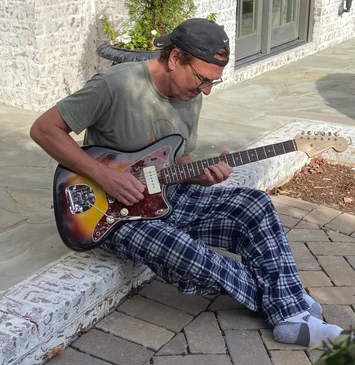
I have five grandsons, and I'd love for them to have a little snapshot of their grandpa. And, you know, my worst moments are when I think about it—and then I think about my friends here, and... what does that mean? Am I being judgmental? Am I projecting? I don't know. But I keep putting that thought off. Because at this point, I just want to be okay with who I am—as a musician, as a guitar player. I've had a lovely, lovely career producing records. It's been very good for me. But I've realized that the most satisfying part of my musicality isn't what I've done as a producer. It's when I'm playing the guitar. And it's not commercial music. It's like coming home. It's the stuff that matters. It's why we got into music in the first place, right? We didn't get into music to buy things. I mean—probably same as you—it was just, "I want to be able to pay the apartment bill." And then you get married. I just want to make it so that we can have a home, possibly, and then life happens. But it didn't start with anything material, at least not for me. It's just about playing the guitar. And, go out the same way I came in.
Gordon: I saw Chip Young, like I mentioned—great session player. Acoustic player on "Jolene," by Dolly Parton; he did the electric solo and produced Billy Swan's "I Can Help." Huge discography. He worked with Jerry Reed. Came from Georgia around the same time as Jerry. But before he passed, he had that mindset: to make a musical statement for his family. Named all the songs after his grandkids, kids, wife... it was very sweet. And yours, Dann—your grandkids, if they want to know who you are—they could look at a thousand sonic photo albums to see your participation in all of this. But this, this will be something special for them.
Dann: I'll probably do the same thing, in a way. I have one made, for Sherri. She's always said, "Why haven't you ever written me a song?" Because I'm not a writer. She said, "Are there words?" I said, "No."
Gordon: [Laughs.] You know what? I did write an instrumental for my wife. And I said, It's funky and it's complicated.
Dann: [Laughs.] Well, there you go. That's marriage.
Gordon: It's wonderful that you're doing that. Thanks for taking the time.
Dann: Hey—Can I play you one from the new record?
TQ—Gordon Kennedy
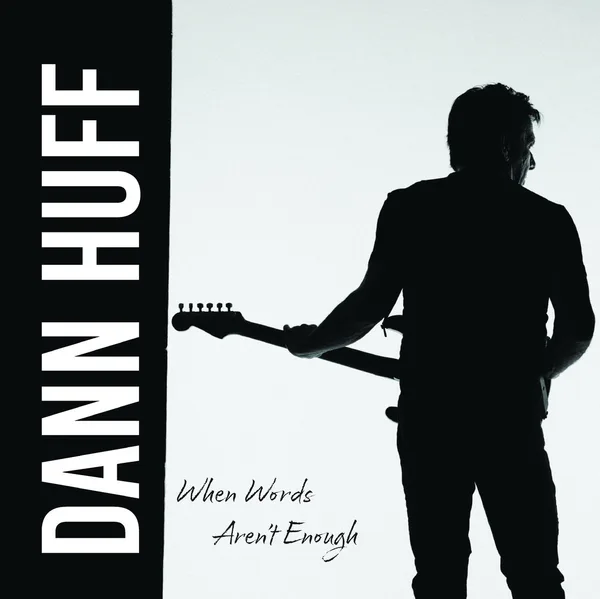
Several months before the May release of his solo debut, When Words Aren't Enough, on Baked Alaska Records, Dann sat down for this rare and revealing interview. With the album now out, Dann launched his own YouTube channel—joining fellow Baked Alaska artists Uncle Larry (Tom Bukovac) and Guthrie Trapp. He's taking players deeper into The Experience with Dann Huff, the music, sharing insights into his creative process, guitar work, and the legacy behind thousands of hits. Subscribe now and be part of this unprecedented look into the life and artistry of one of music's most influential voices.
bakedalaskarecords.comwww.instagram.com/bakedalaskarecords/
www.youtube.com/@huffdann