
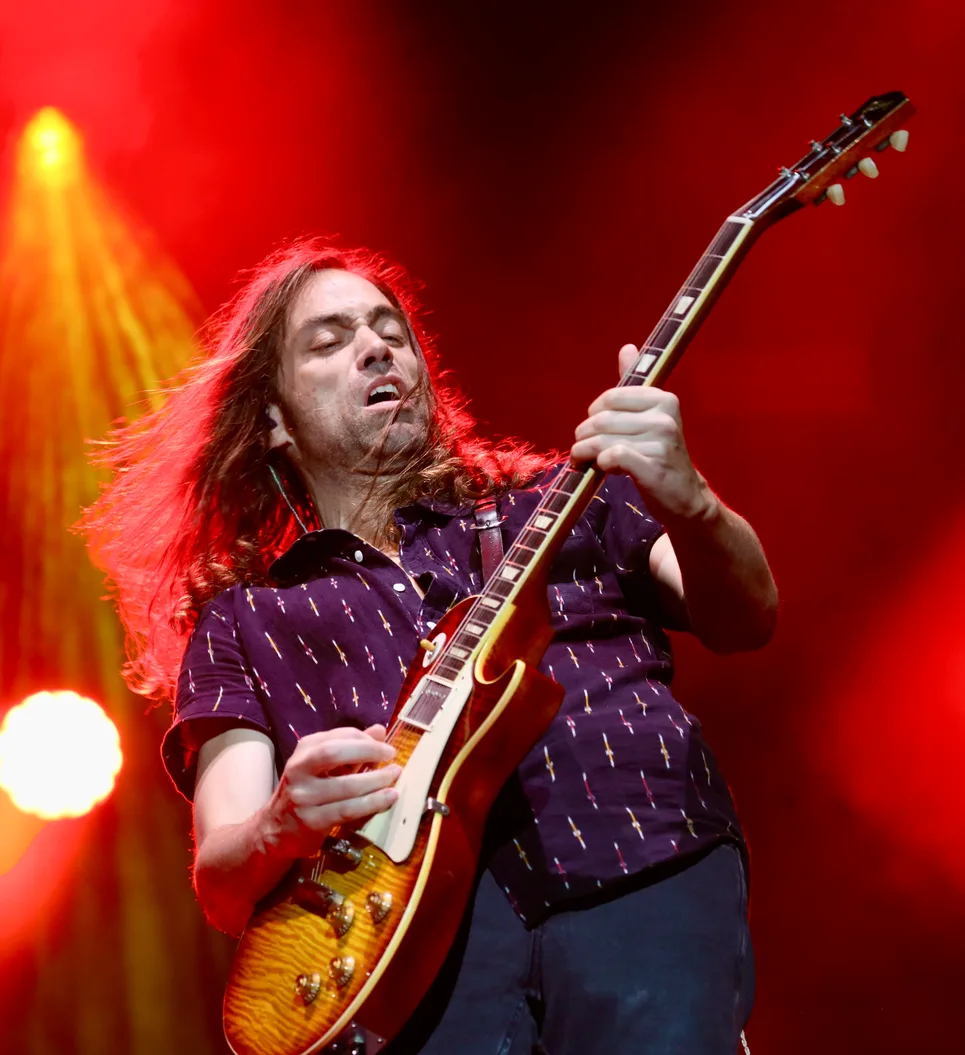
It's easy to understand that Ryan Wariner has spent a good deal of his youthful time with Edward Van Halen and Jimmy Page. His fingers and heart convey the story of those magical lines and tones in an authentic and accurate manner, although it doesn't start and stop only with the music. When in NYC he makes it a point to visit 96 and 98 St. Mark's Place between First Avenue and Avenue A, which was photographed for the iconic cover of Zeppelin's Physical Graffiti.
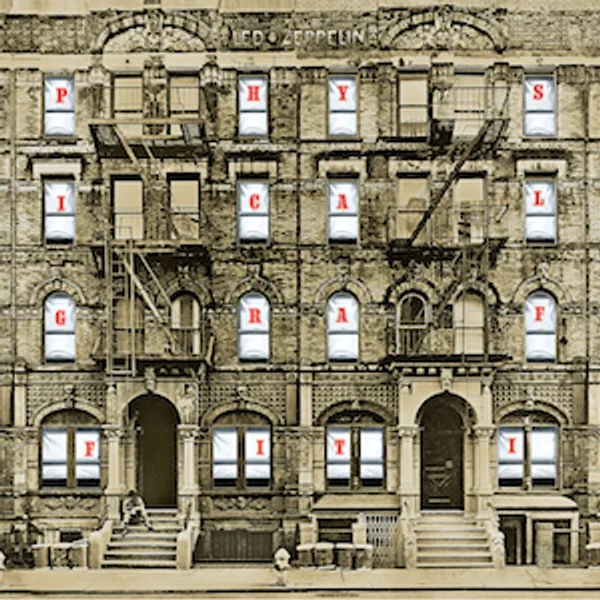
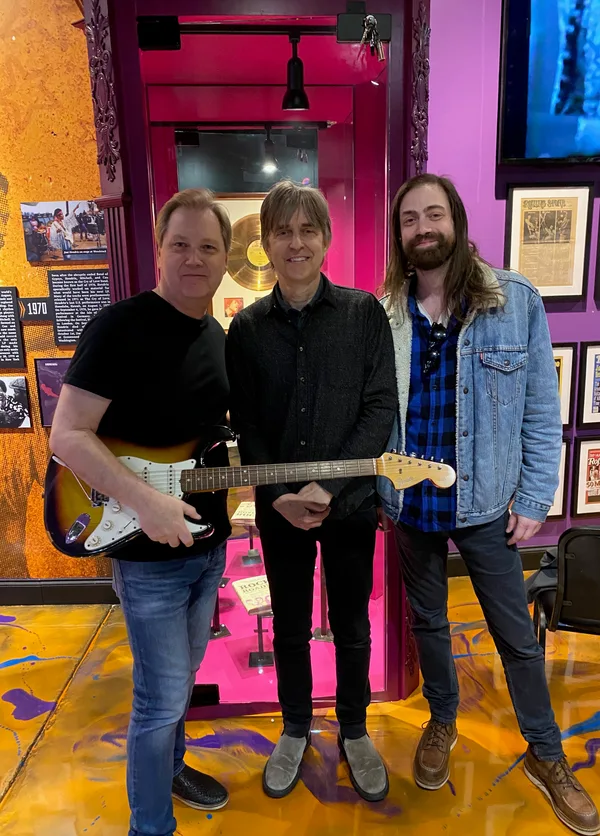
Maybe that's so he can be closer to the feelings he had as a kid, like many of us who logged similar hours staring at that same image while reading the liner notes listening to "In the Light," "The Wanton Song" or "Custard Pie" playing on our combo stereos that had a receiver, cassette deck and turntable all built into a single unit. While Ryan comes from a musical family, most famously with dad Steve, profiled here in TQR 2004, it was his mother and uncle that influenced his lean towards '70s rock than the typical Nashville sound. Numerous tours with Jewel, collaborations with Shooter Jennings and studio work with the late Chris Cornell make up only part of his journey. He's now on tour with Ann Wilson's band, having taken the reins from our friend Tom Bukovac. He lives his life as it should be, doing what he loves and sharing his incredible playing with us lucky enough to catch a show. Oh yeah, some of his playing garners a thumbs up from Thornicus and if you are a fan of Ian Thornley and Big Wreck, you expect that those kudos probably don't come easy. Ryan is as humble, passionate and talented an artist as they come, and a legendary tone chaser and heartily welcomed new addition to the TQ Advisory Board. Enjoy!
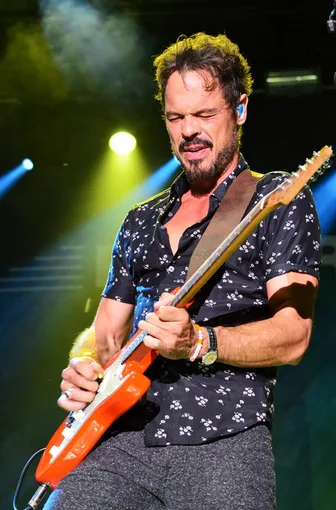
TQR: Your playing motivated me to sit down and learn some of those classic Zep acoustic pieces that Jimmy Page wrote so beautifully, like "Rain Song."
Oh man, one of my favorites still.
TQR: The tuning in and of itself is just fantastic.
It really is. I love to hear that. I have to say that I'm so glad you all are still going. I miss David and so much about The Tonequest Report was him. After so many years of subscribing there definitely would have been a big hole if The Tonequest didn't show up in my mailbox. I'm really glad you all didn't pack it up and call it a day. I remember David did an interview with my dad back in 2004 (July). He came up and we hung out all day. He sent me some back issues and I subscribed from that day forward and have learned so much from reading these pages.
TQR: I appreciate that. It's been a really enjoyable ride and we're trying our best to keep David's vision and passion alive. I'm curious which of your dad's guitars you first picked up and what the spark was for you to decide that, hey, this guitar life is for me.
The answer goes further back than when I actually picked up a guitar for the first time and played. I was this little kid with a bunch of guitars around. You see 'em, you see your dad playing them. My uncle was around a lot, always playing and he was a huge influence in those early days, as well. I'd want to hold them. I was still in diapers, but I'd beg to hold them, and I could barely talk. They would hand me a guitar and I would sit there with it and stare at it. The one that I loved that I always wanted to hold and play, when I actually could play, was a Strat that was custom built for my dad by Joe Glaser.
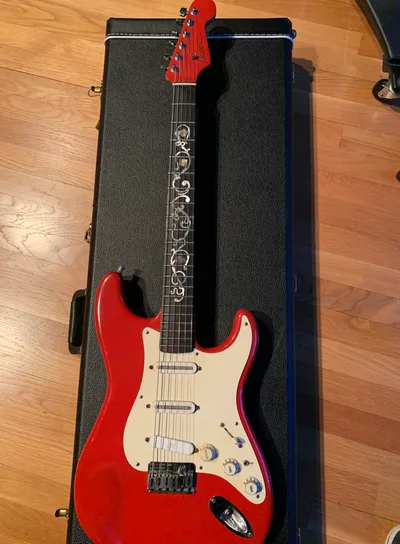
It's one of the earliest that he built way back, when he was building guitars. They're legendary around Nashville because there are so few. These were early/mid '80s, with B-Benders in them. This particular Strat has the PAF designation for those first benders. It is close to Dakota red, with a matching headstock. It has this fancy abalone fretboard inlay and is a very showy looking guitar. For some reason that Strat just called me. I don't know if it was the red or the guitar itself, but that was the one. I held it constantly until I could finally tinker on it and play a bit.
TQR: So, you're three or four years old at this point.
Yes, I would always bug my dad about guitars, and I had multiple toy guitars around. I'd pick up whichever toy guitar was around on any given day, just like us guitar players do. I finally had one with steel strings. It was still a toy, but I started playing melodies on it and at that point I think my parents agreed it was time to "get him his own guitar." It was a Korean knockoff of a Strat called a GTX. It had a Jackson-like pointy headstock with a maple neck and it was black. I think I was seven by that point. I picked around on that for maybe a year, year and a half until it was time to upgrade to a real Fender, which Santa Claus brought when I was eight.
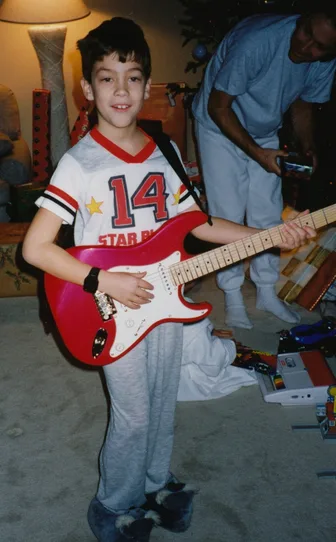
It was a Japanese made Strat and I forget what they called it. I've never seen another one like it in person. There was a run of these Fender Japan guitars, which we all know now are typically pretty good guitars and are cool if you can find them. It was different too. It had a Gibson scale. I think they called it the 7/8 scale guitar. It was barely smaller, but it was red, and I had to have a red Strat, just like my dad's. Corner Music here in town had it. Even though I had spotted it in the store, somehow Santa got a hold of it and put it under the tree for me [laughs]. I was off and running from that point.
TQR: Does your dad still have that Glaser Strat, and does it hold up to all the other great Strats you and your dad have?
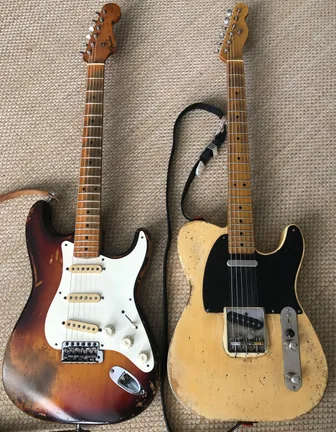
You know what...he does. He's gotten rid of very little. Either someone has talked him into selling something or if it's something he's never played he may move it. This guitar was somewhat retired a while back. I probably haven't seen that guitar out of its case in years. I ought to go dig it out. I know where it is. It's such a unique looking guitar and I still have the same feeling when I see it because it was so important to me as a kid. As far as how it holds up, I don't know. Those Glaser guitars hold their own but it's not like a vintage Strat. It's awesome, but hard to say how it compares. It's really in its own lane. Now that we're talking about it, I'm going to go dig it out. My uncle collected old Pre CBS Strats, so they were always around. When I started playing more, I began to understand the differences with the old ones. He had this '59 Strat that was his holy grail guitar. It was his birth year and he played it in my dad's band and so he was around all the time with guitars.
He was way more into rock than my dad and so he'd turn me on to a lot of music that I love to this day. He showed me a ton of stuff on that '59, which is a three-tone burst with a maple neck. That was the other guitar I wanted to play all the time and it is legitimately one of the greatest Strats that I've ever played to this day. Everybody who touches it is like...everyone is different, but it's hard not to immediately get the sense, that man, this is one of the best ones. That was the other guitar that was super important to me growing up.
TQR: What about this '59 sets it apart?
Well, this one has a really unique neck. Partly because of this guitar I've always been into maple neck Strats and seeing Clapton playing one solidified my love for it. There's something about that look that I've always loved, but in the maple neck era there were often different neck shapes. This one is somewhat thin and flat down in the first few frets. Whoever was sanding and hand shaping necks in '59 was really going for something different. It has always played really great to me. Growing up I had my hands on that guitar a lot, so it was familiar.
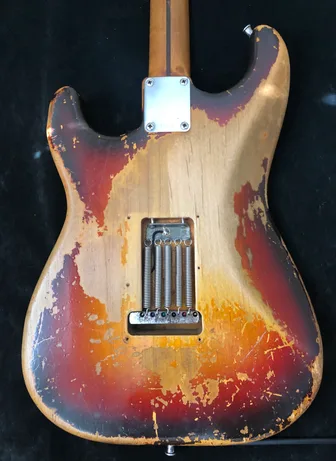
It's got weak '50s pickups, but the bridge pickup is pure magic. The bridge and the two position, the bridge and middle out of phase sounds are incredible. When you hear it, it is the ultimate. It's what you always want a Strat to sound like. My dad has some cool early '60s Strats, but none of them on the bridge pickup hold up to the '59. I don't know why. The pickup is thin, but not weak or shrill sounding. It has this wide sound that is amazing with overdrive. It's never too bright and thin in a bad way, which as we know can turn some off to a Strat in the bridge position. It just works and the way it plays, it's just it, even when set up with different gauge strings. That guitar always seems to play the same no matter what change you make. I had to refret it once, because they were just gone. It's somewhat hard to put into words. My dad would always borrow that guitar from my uncle in his heyday, when he was making records in the '80s and '90s. Many of those hits on those records were cut on that guitar. I would borrow it all the time, too.
My uncle always said that he would give it to me and then one day he just showed up and did. He was here in town and said, "Oh yeah, by the way, I brought this Strat for you." I said, "What, do you need it fixed or something?" He said, "I figure it should be yours now." Unbelievable. I got lucky, because I now have the guitar and he's still around. I take it everywhere to record. I brought it to play on this track with Chris Cornell, which is one of the last things if not the last thing that came out. We cut it less than a year before he died. That guitar is on '80s country songs and a bunch of rock, fuzzed out tracks too.
TQR: Can you share more about that studio time with Chris Cornell? Was it an album he was working on?
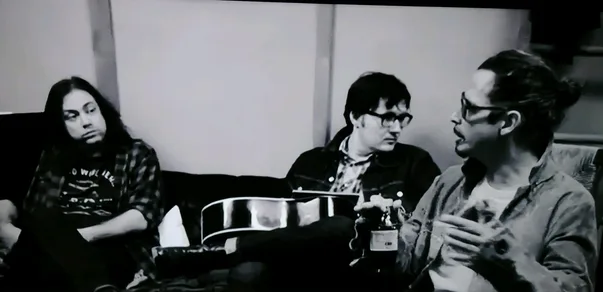
It was just a single track, and it was on a record that was produced by John Carter Cash, Johnny Cash's son. John Carter had unearthed this book of poems that Johnny had written in the early '70s, that had never seen the light of day. He had different artists record these poems/songs. The album is called Johnny Cash: Forever Words and the song is called "You Never Knew My Mind."
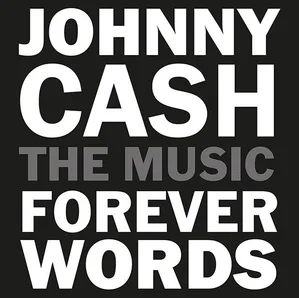
I got the call to come play on the track. They wanted someone who was more of a rock leaning guy, since that's Chris' world. It was this minor, dark sounding acoustic thing, so I tracked it with him on this old J-45, that my buddy owns. I always try to borrow that guitar. It's this killer one from the '40s. They were finishing up the track and it was sounding a little too country or Nashville for Chris' taste, so I just said, "Let me do something on this." So, I grabbed that Strat and one of those Prescription Electronics Experience pedals.
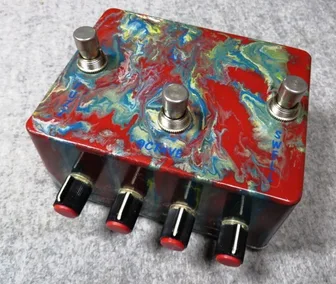
It's one of those octave fuzzes from the '90s. They have those really cool swirl paint jobs. It's an awesome pedal. I pulled that out and put on a lot of delay and verb and did this spooky sounding thing. If you listen to it, you're not sure it's a guitar the way it's tucked in the mix. It's a bit of a mood enhancer. Chris loved it and that became the thing, according to John Carter, that was one of his favorite parts about the track. It's that '59 with a couple pedals and my old Deluxe Reverb that I've used on a million things. I think they released that song as a single for that record. To be in a room with him for a day was magical for me. Trying to keep it cool and play, while in the headphones is Chris Cornell's voice from the vocal booth, oh, man.
TQR: I go back and listen to that Temple of the Dog album all the time.
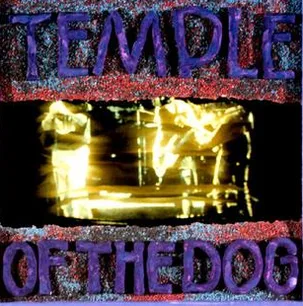
He was the guy of the '90s for me. That whole era had a ton of great singers and that's when I was growing up, getting guitar magazines and reading about all these guys. He stood out to me in a way. Never in my wildest dreams would I have ended up in Johnny Cash's cabin recording with him. Unreal. One of the best days in the studio that I've ever had. It was not lost on me how lucky I was. That guitar. I remember my uncle teaching me how to play the intro to the Journey song "Lights" when I was in seventh grade on that guitar and now here I am in my thirties recording with it.
TQR: Not sure if Neal Schon gets enough credit for being an amazing blues player. Sure, folks love him for his fast, tasty playing with Les Pauls, but on a Strat, that song "Walks Like A Lady" off that live album Captured from '81 where he and Gregg Rolie tear it up, is pretty amazing.
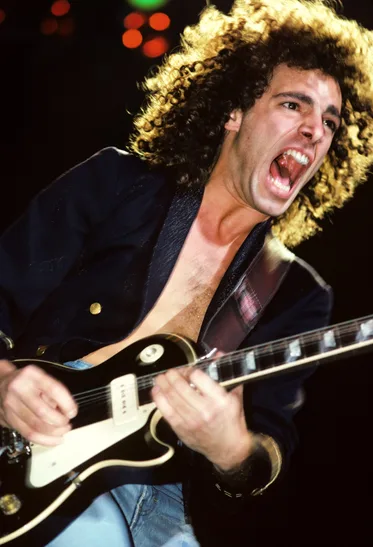
He really can! I listened to him a ton as a kid. My uncle, who I keep bringing up, and my mom actually turned me on to lots of that classic rock. Many of those great live albums from that era were formative for me. When I heard "White Room" for the first time off that four record Crossroads release I knew I had to chase those tones and that's what started my wah-wah addiction. Man, I've tried every one of them [laughs]. Clapton and the '80s stuff, Lukather, Toto, all these players. I love it to this day. Eric Johnson. Every time I found out about a new player, it was like finding diamonds in a mine. Gilmour, Mark Knopfler. Neal Schon was a big one for me. I probably first heard him in middle school. I remember thinking, who is this guy? I want to be able to play and sound like that. It would be fast, but he could hang on to the melody really well. How you described it, the fire, how he would bend in and out of phrases, like he was singing or screaming out, depending on how he wanted it to sound. I remember riding in the car with my uncle, I'd spend three weeks of every summer with him, and we would just play records and play that Strat through vintage Fender amps. He collected vintage Fender amps. I recall that "Rosanna" came on the radio and he couldn't believe that I didn't know Toto and Lukather. He told me you gotta hear this and he was referring to the second solo. He turned the radio up to make sure we could catch as much of it before it fades out.
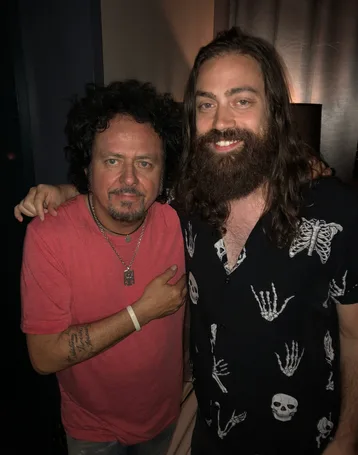
TQR: Your uncle obviously played a significant role in your life. Your dad's brother?
Yes, he's my dad's youngest brother. He was in my dad's band from day one through the late '90s or something. He still does some work with my dad and interestingly started out as the drummer and sang harmonies and then sometime in the mid '80s my dad moved him to second guitar player/harmony singer. He was always around when I would see my dad. They were gone so much. I'd have to go on the road to see them as they were out for 250 days a year. Another side note on that '59. It came from the same store in Austin, where Stevie Ray bought his number one.
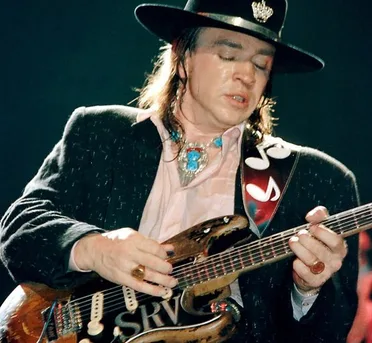
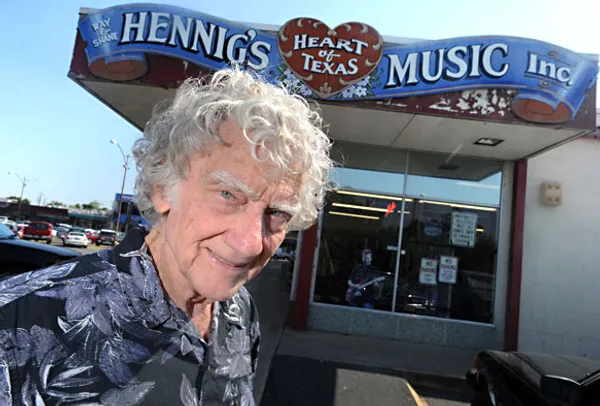
Eric Johnson and Pete Anderson all bought their famous vintage Strats from that same store, Heart of Texas Music. As the story continues, my uncle had it on layaway and Stevie tried to buy it. He tried to talk the owner out of it, but he held strong and said, no, someone has a couple hundred bucks on it. You know that Eric Johnson song off Ah Via Musicom called "Steve's Boogie?" That song is about the store owner Steve. Steve and his dad Ray owned that store. I was recently reading The Tonequest article you did on Pete Anderson, and he was talking about a Dwight Yoakam double bound Esquire that he used in those days. It came from that store too. Legendary.
TQR: Let's dig into your wah pedal addiction. We've repeatedly sung the praises of Geoffrey Teese and his dedication to creating some of the most soulful wahs around today in modern production terms. What have you found and what stands out for you?
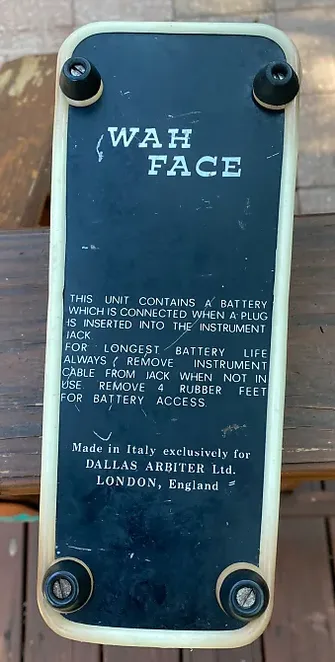
Oh man, yes, I've definitely done my time with Teese's Real McCoy wahs. I've had four or five over the years. I don't have a lot of the detailed info as far as the stack of dimes sound versus the red Fasel. I've bought a ton of 'em over the years and just listened to them. I have one old Arbiter Wah Face from the late '60s that I bought from Greg V years ago, so I've had this really cool, old Italian built one. I acquired it more to have a baseline as to what these originals sounded like. I love the sound of it, but not for everything. It's on the thinner, brighter side, which is great when you want that expressive wahcka wahcka sound. It's got this thinness, but in a cool way. It sounds watery if you sweep it really fast.
I've consistently come back around to Teese's stuff. I just shot out about five different wah pedals trying to figure out which I will take on the Ann tour. It came down to the Teese Perfect Ten, the RMC10. I got it when it first came out and bought a couple of them because I fell in love with it right away. It's got the vintage sound nailed, but it has just a little more power than my old one, so it cuts through a little better. The sweep is not quite as wide. I also have one of the newer Teese 11s (RMC11), which I had been using last summer with Jewel and it has a wide sweep, with a little more top end than the 10. Comparing the two side by side, for rock it was the 10 for me. The 11 is suited well for your Curtis Mayfield Super Fly or Isaac Hayes Shaft sounds. So, I decided to go with 10 as it's just a little more tough in the mids. I've used the RMC4 Picture Wah back on other Jewel tours from fifteen years ago. That one is great too. I've never had a bad Teese wah. They're just different flavors. Some are thicker, some brighter. I'm a huge believer in what that guy does. I first saw them at Corner Music when they first came out. Those have been my go-tos.
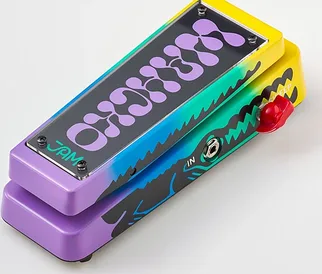
I will say one that has blown me away recently, which is a very versatile wah, which I'll grab when I'm not sure what I'm going to get into, is the JAM wah, the multi-colored one with the switch on the side.
TQR: I have seen it. It seems that there are a ton of players that love that one.
Man, that's the other one. To me the Teese 10 or 11 is the Cadillac, but for versatility it's definitely the JAM Wahcko. The sweep is really smooth in all the positions. There are no harsh frequencies or peaks. Everybody that hears that pedal when I play it — I used it all summer with Jewel last tour until we had a bus fire and lots of gear got torched. That's why I switched to the 11. It must have gotten some form of heat damage, because it no longer works. I need to get in touch with them, and I need another one for sure. It's the only multi-setting wah that I've tried that doesn't have a bad sound in it. I love what JAM does in general. I got the delay (Delay Lama) first. I saw a few people that I believe in playing it and I was like, "Yup, that sounds pretty great." The wah can do the thin watery thing, but then it can do a really thick filter like sound. Teese and JAM to my ears are just a cut above. There's a richness there. Something extra and very pro sounding. I've got some old Dunlops, I have an old purple Budda. If you really scrutinize and play these back-to-back, you can really hear the differences.
TQR: It's interesting that you mention the Budda purple. I've had one of the black label Buddas for more than twenty years. It's held up well and the only one I've ever owned next to a Fulltone Clyde Wah that also sounded decent.
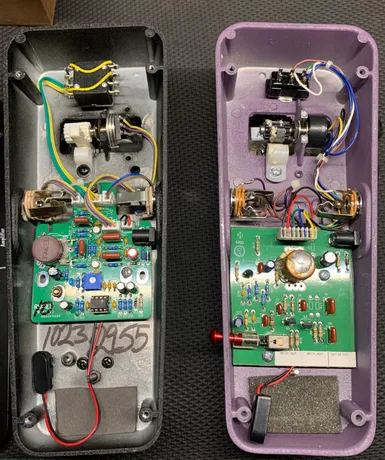
Mine is like yours, the purple body, but the black label as opposed to the purple label. A friend of mine, Andy Gurley, who is somewhat of my unofficial guitar teacher turned me on to that wah. He helped me out quite a bit along the way. He had one with the black label and I remember telling him that I loved that wah when I heard him play it, plus purple is one of my favorite colors. I had to have one. He told me to make sure I got the one with the black label, although I'm not sure if there is a difference between that and the purple label.
TQR: Jeff Bober builds great amps too. He's one of us.
I just made a note to reach out to JAM. I was supposed to do a video for them. Everything I have of theirs is really simple, but they're immediate music makers. As soon as you start playing any of their pedals, it just sounds right. I have a couple delays now and it's the same thing. Whoever it is that decides what they want to have their pedals sound like is the way I like to hear things too. Obviously, we're all different.
TQR: Have you played their Retrovibe?
I've not played one, but Stanton Edward, who I mentioned earlier has been a great buddy since we were nineteen working in the same music store together, has one. He had it on his board with Jewel last summer. Everybody commented on it. As soon as I saw it, we immediately went deep on JAM pedals. He ended up buying a wah as soon as he heard mine. The guys in the other bands and the guitar nerds in the crews were all over that vibe [laughs]. And it's not a huge pedal. It's about the size of a Voodoo Labs pedal. There are some killer vibes out there, but once you add in the expression pedal, they can take up some real estate. Stanton also sounds like a million bucks every time he touches a guitar.
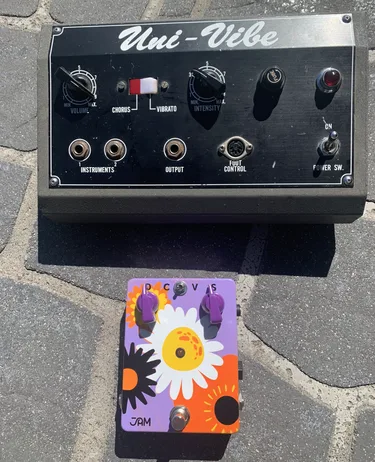
TQR: As do you. I'm looking at gut shots of the JAM Retrovibe. It looks bomber, not that cheap PCB looking stuff and the path is all analog.
I'm sure that the quality of the parts and the design goes into what we hear. As soon as I heard his vibe, I knew I had to get one. I just haven't pulled the trigger yet. As soon as I play the JAM wah for my friends, the reaction is the same, "I gotta get it." Stanton had planned to do "I Ain't Superstitious" off the first Beck album Truth for a tribute show and he asked me, "Which one, I need the one?" I said that the JAM could nail that sound but could do other things. The other neat thing is that they've done something with it to where you can run it in front of a fuzz and the fuzz won't get squirrely.
TQR: That's really usable and I think too with the Teese wahs, some can be ordered specifically with optional mods to address the same challenge. It's funny with pedals and fickle flavor of the day markets, things like the Nobels ODR-1 and white dot NKT Sun Faces are fetching thousands of dollars, where these really well made wahs are just not the hot thing right now, so you can score them for relatively little dough.
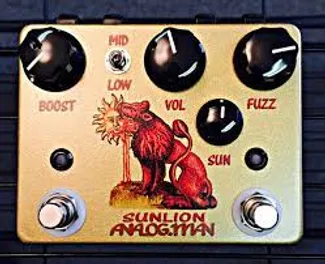
Right, it's crazy. I've been a huge Analogman fan for years. I've always gotten cool shit from him. Early on in 2005, I saw Marc Ford playing a Sun Lion, which is a Sun Face on one side and a treble booster on the other. Once I saw that I had to have it. I still have it and I'd never get rid of it as he made one for me. I need to open that box up to see what transistors are in the Sun Face side.
Back on the wahs, I've never had the Teese Wizard Wah, it's the red one. It's a fatter, thicker sound. It's the one Landau was using for years and every time I play that one, I think, ah shit, I gotta get one of these too. I feel like it's likely that I end up with a huge box of wah wah pedals at some point. It was my very first pedal ever and I've been obsessed ever since.
TQR: Well, if you're a purple guy and you don't have a purple sparkle RMC4 Picture Wah, I think you may need one. Let's go to Les Pauls. Describe what you think epitomizes the best of the best. What sets them apart?
The really great ones feel like they're playing themselves, like they're doing all the work and you're just holding it. That's another thing I got lucky with early on. Same deal, my uncle is good friends with Greg Martin, who is a friend of the family. They lived near each other in the woods of Kentucky, still do. One day he said, hey let's go over to Greg Martins' house and hang out. So that day was the first time I played a real burst, his famous '58 burst called Hank. I was massively obsessed with Billy Gibbons at this point as there was a period for me in high school where all I listened to were the early ZZ records. I wasn't paying attention to anything else. So, I remember thinking, I have to play one of these old Les Pauls and once we're at Greg's, I mentioned that and he said, you should play this Les Paul. Not only was it the first burst I played, but we plugged it into a '69 Plexi Super Lead and I remember hearing that sound and thinking, well there it is. That's it, that's what I always wanted to hear. So now old Marshalls are my thing and old Les Pauls. Let's say good Les Pauls, because I knew I couldn't afford an old one. To answer your question, the thing that separates the old ones from my experience is that they can get twangy if you play them the right way. They can be clear and stringy and almost sound like a big Tele. They are not just dark or muddy on the neck pickup. The one I owned at the time was like a 2000 USA standard that I picked off the wall at Guitar Heaven. I loved it and spent every dime I had to get it, but I knew it wasn't what a real one could do. After hearing Greg's, I realized that it sings with clarity and the clean sounds are all there. I couldn't get any of that out of my mind. That's what set me on that path of obsessing over what I heard and felt that day.
TQR: Have you gotten close and what would you suggest in order of importance are the variables that go into that? I imagine you've tried to dial in a custom shop as close as possible using Greg's as a reference.
I have gotten close and probably as close as I could get with a newer historic custom shop model. I went through a good ten plus years on the road where I never played Strats. I had gotten away from them and for certain gigs I was only playing Les Pauls. I used an SG for some time too. I bought, sold and traded around a number of guitars in order to try and find a good one. That went on for years. There was one historic that a buddy of mine owned that was the benchmark guitar. A couple of friends have both owned that guitar. Whenever he wanted to sell it, I didn't have the money and whenever I had the money, he didn't want to sell it. Another friend did buy it. I borrowed that guitar quite often even though I always owned several of my own. I finally found one that I thought was as good if not better than my friend's and that was around 2015-2016. I've tweaked it a bit. At the moment it's the only Les Paul standard that I own. I used to have five or six at a time during my search. This one was so good that I found myself selling off the others and getting back into Fenders too.
TQR: Before we go into what you did to get there, do you recall what year your buddy's was?
I'd have to double check, but I think it may have been an '03? '02 maybe?
TQR: Did it have one of those boat neck Brazilian boards from '03?
It wasn't Brazilian, it was right before they made that run and he had it reshaped by Jeff Senn to be as close to a '59 as possible. There were some good guitars coming out of the custom shop in '02/'03. My friend Rob McNelley has a great historic LP from '99 that he plays all the time. He put Tom Holmes pickups in it. He and Jeff Senn turned me on to those, although I like a lot of humbuckers. I always wanted to try the RS Psychebillys and the Fralin True PAFs. With the Holmes I can get airiness, but they still have punch when you want 'em to rock. The '50s wiring is critical. A big eye opener, very audible.
TQR: So, what have you settled on for now? What do you have and what have you done with it?
It's a 2014 or 2015, whenever they started doing the Collectors' Choice, where they'd take a famous guitar and copy it down to the smallest details. Mine is the Ed King '59 Redeye, the original, real one now owned by Jason Isbell. Truthfully, that's where it started. It was on the wall at Carter Vintage and my friend Jay, who owns the benchmark historic, and I were there, and I literally just strummed it on the wall. It was loud, and it had that airy, clarity thing. We both looked at each other and said, OK, that's something. We played it and it had that Tele snap. We let it hang for a day, didn't buy it, but over lunch the next day we talked more about it and Jay lent me the money to buy it as I didn't have it at the time. The Carters have always been awesome to me, so I got a good deal, but it was still expensive. I had heard about others that were starting to buzz around town that there was this really good one on the wall, so I knew I had to just get it before I lost out. I sold a couple other Les Pauls to pay Jay back. I tried a number of pickups as the Holmes were over a year out while he tried to fill the backlog. I recalled reading in TQ that whole PAF shootout, where David really liked the Holmes, so I felt validated with what I had heard. A set popped up on Craigslist here and they were potted, which was something I didn't prefer, but it was better than waiting, so I pulled the trigger. Once the Holmes were in, I was off and running. The Holmes, while they don't necessarily do that reedy, double tone thing that PAF lovers go for, they just work when I want to wind it up through a Marshall or more of a high gain amp. Over the years I've done a little more refinement, but not much. I put old '50s paper in oil legit caps in it, just because I could. I got 'em from CreamTone. They're great, but not necessary for that guitar to be any better. They taper perfectly. It really is more about that guitar's bones. The only other thing I did was have it repainted. I just couldn't get over the red dot and I knew I was not likely ever going to sell the guitar. Even if I could afford a real one someday, this one means so much to me. I still play it a ton these days. It was shot to look more like Pearly Gates. That's been it. I got lucky with this guitar.
TQR: How heavy is it?
I've never weighed it, but it's in the 8-pound range, on the lighter side.
TQR: Did you mess around with the pots or are those original to the guitar?
I did change the pots, but only because the harness I bought from CreamTone with the caps came all wired up. Honestly, I never disliked the way the original pots sounded and performed. I feel like Gibson got it right. The new harness did not seem to change much as far as the new pots worked and it was '50s wiring. Essentially, I traded CTS for CTS. The caps upgrade was a noticeable difference, however.
TQR: Have you had your hands on the Murphy Lab guitars and if so, what are your thoughts?
I have and it's got me intrigued enough that I may buy another Les Paul. I'm mostly playing that guitar these days and it wouldn't be a bad idea to have a backup. I've started going around town and checking into Murphy Labs. I may just get in touch with Tom and go over and visit the lab myself and see what's going on. The ones that I've played, like some of the more aged high dollar ones, like this '59, I feel are on par with mine. Many of those Collectors Choice guitars are great, but the Murphy Lab seems to hold up. Those finishes look amazing to me. Different tastes will dictate which people like as far as aging goes, but from a sound and playability perspective I've been impressed with them.
TQR: What jumped out at me with a few that I've played is the weight. They all seem to be sub nine pounds, which can make a huge difference over a two-hour set.
Yeah, that's a thing. I was in a rehearsal all day the other day with mine and never once thought about the weight of the guitar. I'm not Sylvester Stallone either. I played a Murphy Lab SG the other day at Jeff Senn's house that he was setting up for a client and it was a pretty heavily aged Pelham Blue '64 and that guitar was so good. I've owned a couple '60s SGs over the years and that guitar felt like it belonged in that class. The neck was spot on. I really love what they're doing, and Tom is one of the nicest guys around.
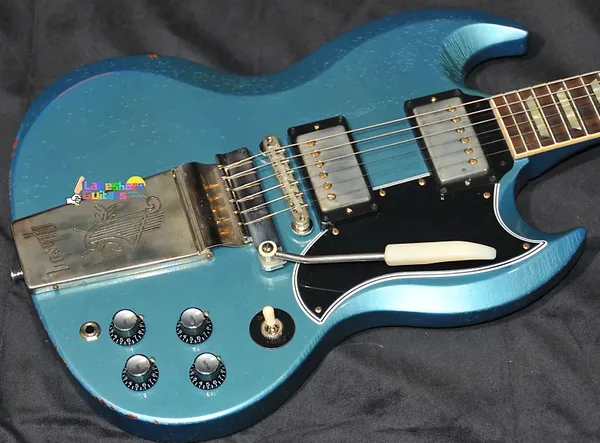
TQR: It's crazy though, I saw a Murphy Lab Double-Cut Jr. finished in black hanging on the wall the other day and they wanted $8500. It wasn't that long ago you could buy a real one for $6000. I realize those have now almost all doubled in the last five years, but you can still get a real one for not that much more dough. The Dogear P90 in my '56 Jr. is the best pickup, hands down, in any guitar I own.
I feel ya on that. I had to up the insurance on all my gear. If something does happen to that Ed King guitar while I'm on the road, to replace it, because it's the only guitar I played on the road all last summer, would be equivalent to a Murphy Lab and those are upwards of twelve grand.
TQR: Let's talk gigs and current touring.
Last summer, where I was primarily playing the Les Paul, I was doing a tour with Jewel. I've played on and off with her for the last fourteen years. More off than on, but that's because she works when she wants to. Luckily, whenever she wants to do something and I'm around, I'll do it. I still manage to shoehorn the rock guitar into any gig I do. The other guitar player in that band is Stanton Edward, who is in the Wallflowers as well. He's an absolutely outstanding guitar player and he too leans towards rock.
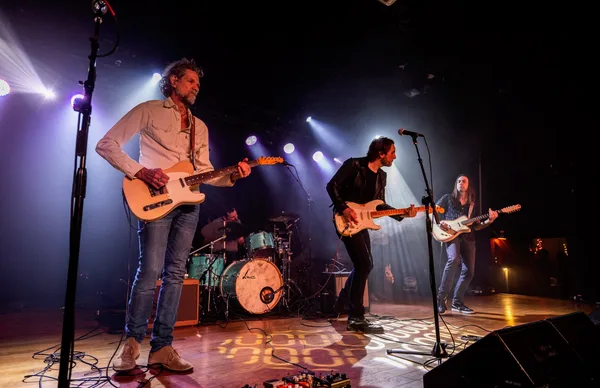
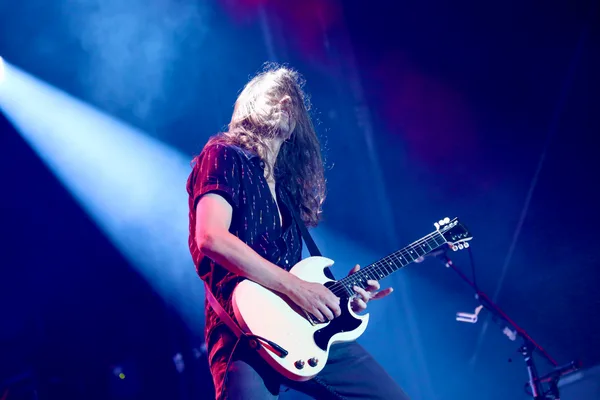
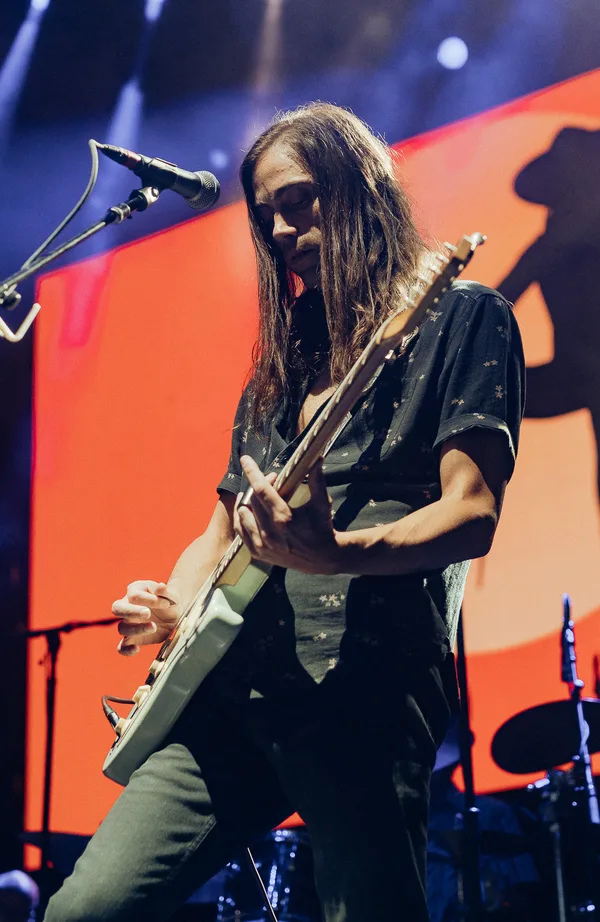
He decided that he was going to play a Tele on that tour, so I was able to be the Les Paul guy over an eight-week outdoor shed tour. That reignited my love for the Les Paul as I got to try and be Jimmy Page, Billy Gibbons and all the other players that we love. I'm just now getting rolling now with Ann Wilson from Heart. Tom (Bukovac) decided not to go out on this tour and so now I'm in that band, which has been pretty amazing. These guys are fantastic musicians, the music is so iconic and the new stuff that they've been writing is excellent, too. I'm stoked to be playing these new songs. They tracked a new record when Tom was still around, so now I get to learn all his guitar parts, which I've been doing for the last fifteen years. I love his playing. With that, playing lead lines on "Magic Man" on a Les Paul is very enjoyable. That's what makes me think I may need a second one, because once we get rolling...
TQR: Have you started to consider what the optimal touring rig for that gig will be?
I'm still working on it. Unfortunately, and I feel like this is a negative sometimes, but because I like so many different types of guitars, amps and overall rigs, those decisions influence so much in how I play and approach the situation, that I better get it really right. I tend to get a little mired in the decision-making process. With that said, I feel like I still have time, so no specific decisions have been made. I'm probably overthinking it. Do I do a two-amp rig like Tom and run it stereo? The other guitar player is also running two Marshall Bluesbreaker style combos in stereo, so I'm trying to decide how best to fit in. Do I go in a Marshall direction, too? I definitely don't want to take out some of these vintage heads. I've done that before and end up worrying about them and so I have a couple things that are newer. I have a Suhr SL68, which is John Suhr's take on a late '60s Plexi Super Lead.
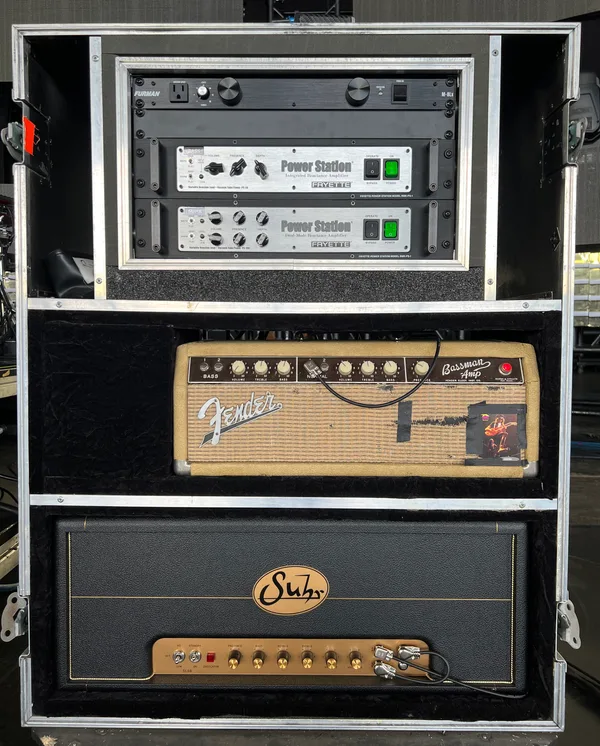
I put a bright cap in it as I like those old Marshalls with the bright cap. It's more Jimmy Page. I also have this really good Deluxe Reverb that I've used a bunch over the years. I've had the left channel modded and it's this strong rock sound, shockingly so for a Deluxe Reverb. So, I'm thinking about possibly using that in combination with some style of 50-watt Marshall. The SL68 is a 100-watt amp and can nail the Van Halen thing when it's on ten, but I need the Fryette Power Station if I'm going to crank it. That Fryette has been a true game changer for me. I can now use any of these old vintage heads that I've been collecting over the years, where previously I could only really push them in certain situations. I've acquired two of these Power Stations and I used them last summer on tour attenuating down a blonde Bassman through a Marshall 4x12 and it works so well that I'm trying to determine if I should go that route again. Do I scale it down and go combo amps, or do I bring a Marshall or equivalent head and maybe a second cleaner amp? I have a really nice '66 Pro Reverb that I really like for cleaner stuff. I think that's where I'm leaning...a 50-watt head and the Pro with the Fryette if it gets too loud. You can tell I'm still thinking about it [laughs].
TQR: I bought a Germino LV55, from David here in 2010 after TQ covered that amp in 2008. I had it stock for years until I decided it would be more usable if I had some type of Master or used an attenuator. I ended up having 3rd Power put in their Hybrid Master along with a mini toggle in the back of the amp which is labeled "Studio" and "Stage." In short, Studio mode from a volume perspective is just a mirror of Stage mode at less volume, so I now have a large range of volume and crunch. It sounds amazing and really opened that amp up for me to play it and have it feel loud at levels that won't crush your ears and gig it in the sweet spot without the sound guy telling you he can't make your band sound good, because your stage volume is too loud. The mod is 100 percent reversible if anyone wanted to take it back to stock. That through a 4x12 with late '60s G12M Pulsonic lead cones is magic.
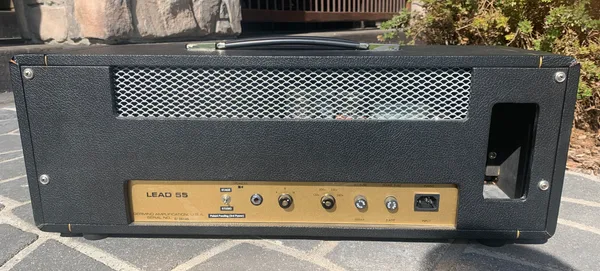
Oh man, there's something about those old speakers. I have a couple cabs with those old Celestions. I have one with Blackback 30-watt Pulsonic Hs and a '74 straight cab with G12M lead cones, not Pulsonic, but that's my main recording cab. It's funny you mention the 3rd Power stuff because that's one of the things I've been considering. Germino, too. Greg made me an LV55 back in 2010. I was playing with LeAnn Rimes, and I was using a Red '71 Small box 50-watt with her and the Germino was my spare. I let a buddy talk me into selling it to him and I'm constantly thinking, man, why did I sell that amp. I think he makes the best Plexi amps out there period. I actually hit him up about building me an amp for the tour last summer and I just didn't get with him soon enough to have it ready. He's got an amp that is a 35-watt. It's like the LV55 but with a smaller output transformer.
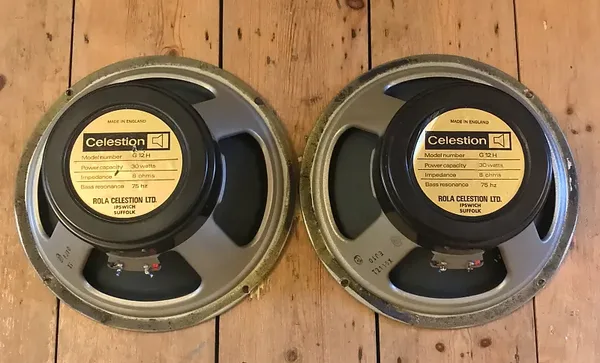
That amp would pair well with another smaller combo, so that's on the list too. With 3rd Power ironically, Dylana sent me a message a month or two ago about the Dirty Sink amp they're doing, which is just the crunch side of the Kitchen Sink format. She lives only about twenty-five minutes from my house, where they build those amps, and so I may go check that out as well. If I bring the bigger amps, I have to bring the Fryette, which is just a commitment on extra gear. I may want to be more nimble with the rig. It's funny that you mentioned both 3rd Power and Germino because I happen to be thinking about both. I have a ton of reverence for Greg's Marshall knowledge.
TQR: Tell us about the mod to the Normal channel of your Deluxe Reverb.
I can't recommend that mod enough. Everyone that has come by and heard and played it that has those old black panel Fenders wants it done. It's that good. Jeff Hime at Hime Amplification here in Nashville is the guy who owns the shop. He was the second guy to Todd Sharp for years. Back when Todd blew up and everybody in town wanted to have him service their amp, Jeff was the guy who took the balance of the work. He eventually started his own gig a couple of blocks up the road and he's now the other top guy here in town. I go to both places because I love them both. Jeff has this guy in the shop named Nick and I was just in there to get a speaker for my Deluxe and Nick was ringing me up. I just happened to mention that I never really play the left channel and asked if he knew anyone that was doing something cool there. I was literally just thinking out loud and not even sure why I brought it up. He said, "Ya know there's this mod on the left channel that I do to my Fender combos and it's not a lot of gain, it's not going to try and turn it into a Marshall, because I don't want to ever change much of what is already a masterful amp. There are only a few changes, and nothing done to the right channel. It just gives you a little more drive, volume and it sings a little more. I add the reverb to the left channel too." I'm thinking, shit, that's why I typically don't use that channel. I love the reverb. I left it there that day, Nick did the mod and it's just boosted up enough that I find that I'm rarely looking for a pedal if I want a little more drive. He basically puts a gain knob in the number 2 input jack, which makes the existing volume work like a master.
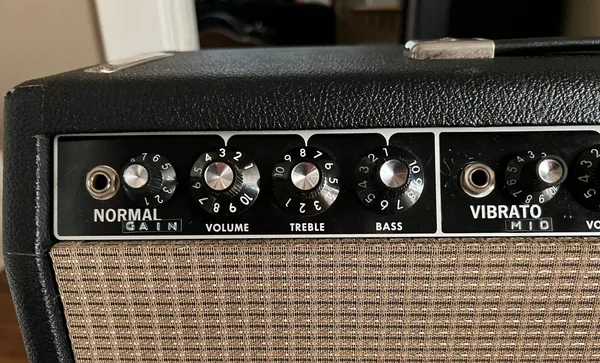
It's a pretty loud channel. It's definitely meant to be turned up and not a bedroom level thing where you crank up the gain and keep the master down. It's still meant to be wound up. When I picked it up Nick said, "Man, I don't typically talk about my work, but I'm so happy with the way that this came out, that I think you're gonna flip." I was like, "OK, sure, cool dude." I actually like it when people are proud of their work. I liked his confidence. Nick was newer to me and as I was leaving, he made sure repeatedly that I would let him know what I thought as soon as I had the chance to play it. I got it home, plugged it in, turned it on and went, "Holy shit, this is as good as my Deluxe has ever been." I called him right away and let him know what I thought. It doesn't change the characteristics of the amp and doesn't cost a ton. Rob McNelley got it and he uses his on sessions and records all the time now ever since. He couldn't believe how good it is. We met over at Jeff Senn's house one morning and I let him play through it. He was on the way to a session, and he said, yup, this is everything you said it was. I'm taking mine over this afternoon.
TQR: Are guys having it done to any black panel Fender?
Pretty much. I was thinking...and by the way I don't have an old Vibrolux Reverb and it's crazy that I don't, because I've loved all the ones I've played and I'm on the hunt. I asked Nick, can this be done on any amp of similar ilk, because I have this '66 Pro, and he said, yes absolutely, I've done it to my Pro. I don't know the specifics, but it's just a volume and gain boost. It's louder than the right side now, and that channel doesn't get touched. It stays stock just as God and Leo Fender had intended. It's funny, I haven't really gone back to the right channel since.
TQR: That's saying something.
I never used that left channel to the point where Nick called me and let me know that they needed to add a preamp tube to V1 as there was none in there. I had forgotten. Now it's one of my favorite amps and I just grab that Deluxe if I'm going to sit in with other folks like Guthrie (Trapp), say at The Underdog, which is a half-mile from my house. No pedals needed. The speaker I mentioned that I had put in that amp is the Warehouse ET65.
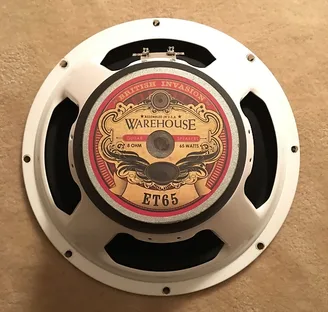
Both Jeff and Nick both recommended that one. It definitely has some Celestion/British flavor to it. It's like WGS's version of the Celestion G12-65. Creamy mids is what Jeff likes about this speaker. It's my go-to amp at this point.
TQR: What speaker did you replace?
You know what I had in it...honestly, when I was using it all the time on the road, back in the old days, it was the Eminence Private Jack, which Jeff put in the amp back when he was working with Todd Sharp. I used it for a lot of years as it was somewhat of the hot speaker back in those days. Lots of guys in town were using it at the time. After the Jewel tour in 2008 ended, I switched primarily over to Marshalls and Marshall type amps with 4x12s. That lasted for the next decade or so, which essentially relegated the Deluxe to the sidelines. It sat around in the corner for a while and when I went back to it, I started messing around with different speakers. I went through three or four swaps, and it was going in the wrong direction. It's been resurrected now with the mod and this new speaker.
TQR: I wonder how close the ET65 is to the Alessandro SC64, which he designed and is built by Eminence. It's billed as an American voiced speaker, but one that rocks and really holds the note.
My dad has a couple Deluxes as I mentioned and we put one of those Alessandros in his and it felt a little darker on the top end, which suits well the way he plays. I like him with a speaker that is not as bright. He has a Princeton with a hemp cone speaker that sounds amazing. Actually, we both liked the SC64 so much in that first Deluxe, that we put one in his other Deluxe as well. I do like that speaker, I just don't have one in any of my amps personally.
TQR: It's interesting playing around with different speakers in different cabs. The shape, size, port type, etc., is so influential with cabinets. Dumble was known to have constantly messed around with unique sized cabs, using one off baffle designs, putting ports in random places. Mark Bartel too spent about a year doing trial and error with his cabs in pursuit of the best dimensions, wood type, baffle type, size and shape, etc. The way the air exits and moves has a lot to do with speaker response. Having said that an EV12L sounds amazing in an oversized ported 1x12.
Exactly, do you remember that speaker cabinet company from the '80s that made those carpeted covered cabs that were ported called Pacific Woodworks out of California?
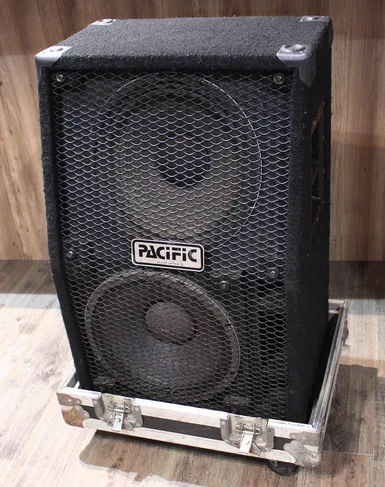
Lots of the studio guys around here had those cabs. It was a niche thing. Guys like Dann Huff and Landau with their stereo rack rigs all used them. Also, many of the steel players in town all got into those cabs because they were small, but they sounded big, and they all had EVs in them. I bought a pair of those cabs on Nashville Craigslist years and years ago from an old steel player. That's what I was using often when I had no speaker in my Deluxe or was between trying different ones out. I'd just run out to that cab with the EV, and it sounded great. I'm a huge Pete Anderson fan and I recall reading in ToneQuest years ago that he ran an EV in his Deluxe. Thus, the inspiration. Bukovac used to have a store here in town called Second Gear and he had a pair of those EV loaded Pacific Woodworks cabs, so I bought those too back in the day. I sold one, but still have three here.
TQR: Even running a 50-watt Marshall style amp, in this case a Germino LV55 through that 1x12, it's every bit as loud as a 4x12 with old G12M Celestions.
It is crazy, those speakers may not be for everyone and everything, but when they work, they REALLY work. They just seem to boost up every frequency, loud and even. I tracked something with Gretchen Wilson once for a TV show and brought one of my old 50-watt Marshalls and didn't feel like lugging a 4x12 around for such a short spot. I used that red Marshall into that EV 1x12 and thought, "Well, there it is, that sound is killer." I always wanted to try that too because Knopfler used EVs with his JTM-45 on Brothers in Arms and that era. If it's good enough for him, it's good enough for me. It's a JTM-45 with EVs and a Les Paul and when he switched to the Soldano for the last Dire Straits record...he played that amp for the better part of a decade and ran it through a 4x12 with EVs. That was the sound, the big clarity he would need when using only his fingers.
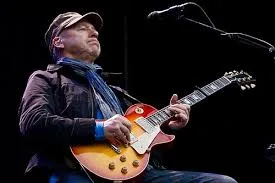
TQR: I imagine that cab could take your head off if one was not careful.
Yeah man, my buddy Dave Graff, who is a great guitar tech in town, was Mark's in studio tech when they were cutting his first or second solo album, both of which were recorded in Nashville. I remember asking him all about it as I'm just a huge Knopfler junky. "Was he playing the SLO?" He said, "Oh yeah it was so loud that we spent the entire first day trying to isolate the cab and get it to where it wasn't shaking the entire studio. He would play that amp with the master volume on 7 or 8...almost wide open. He would sit at the desk and record and could control the volume with his right hand and fingers so well. When anyone else tried to play it, it would just be way too loud." Mark had it all dialed to his technique. His touch is unparalleled.
TQR: How do you like to go about gain staging between the guitar, the amps and pedals?
I tend to find myself using the pedals in a live situation for gain staging and in a recording situation, my preference is to use more of the range of the amp. Even when I'm using pedals in a live situation, I will gravitate towards pedals that do clean up well, so that in effect I'm using my guitar's volume as though I was straight in. I just live by that so much on the guitar that it throws you off when you do turn down and things get strange or dark. I was playing an old blonde Vibro King and a Mythos Klon copy, and I liked having the pedal on all the time because of the way it turned down. I was using a Tele and I would not only run the volume up and down on the Tele to get the sounds I was looking for, but I would also ride the gain knob on the pedal with my foot. So, depending on the tune I would ride the gain setting on the pedal to where I had an appropriate range. I definitely feel like I keep the pedals on my board that turn down well without losing the fidelity of the full up tone. For years I used a Timmy with my Marshall amps. That was my go-to pedal with the red 50-watt. The main rhythm sounds I had on the LeAnn tour were with that Timmy.
So basically, on my board I'll have an overdrive pedal, which is typically always on. For rhythm I'll have the guitar on 7 or 8 and then a boost to hit everything hard for leads when I roll the volume up to 10. My main solo boost is the Boss EQ and has been since high school. I tend to run the pedal that I'll use as the main always on overdrive a bit hotter to where I can then effectively run the guitar volume down to get cleaner, edgier rhythm sounds. That leaves me open to then roll the guitar volume up for more drive and if I then need more, hit it with the EQ or boost. You know how Klons are, if you run them low gain, the diodes are not really in the circuit. It's almost like two different pedals.
TQR: I learned that from Zac at J. Rockett.
It's a unique part of that circuit. I'll also say that with the aforementioned approach that there will be times when I don't have my main drive pedal on. If I'm playing a part that is super effected, say drenched in reverb or delay, I'll run as clean from the amp as I need to make those tones work. I may kick on a compressor for a big wide clean sound which I can do with a cleaner amp, where typically if you're using your amp for your clean to overdriven tones, it's not as wide a range. Using the pedal, I can mimic how I drive a cranked amp, but I also have the flexibility to be cleaner if necessary. Guitars are different and more importantly rooms are different, so what worked one night may be entirely different the next, so the short of it you really just have to go by what your ears say. I'll also mention that one of the biggest game changers for me in order to try and maintain some semblance of consistency from night to night, so that I'm not constantly having to tweak too much, is the Variac.
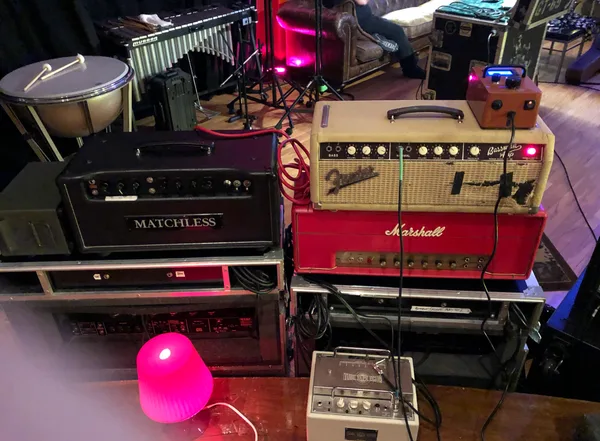
The voltage into your amp makes all the difference in the world and when I went that route it made life a lot easier. The rooms will still sound different, but you can't control that. You can with the voltage.
TQR: On that note there are lots of Amp Maniacs around here. Riverhorse did an interview with the maker and it's great, because not only does it do what a Variac does, but it gives you the readout for both voltage and current and it's light. Like the Brown Box you can only max out what is coming from the wall so there's no fear of toasting your amp if someone decides to ride up the big knob on your Variac when you're not looking. We hear Corey Congilio bought one as he mentioned that the wall voltages at Third and Lindsley can run as high as 130!
True. It's way crazy. There was a studio down in Franklin, south of Nashville, where it was the same thing. They would read 130-132 from the wall. For vintage amps, old Voxes or Marshalls that are meant to see 110, that is just...it's one thing if it's an old Fender, but the British amps I learned early, are really happy at those lower voltages, and they'll let you know that they're happy when you keep them in the right range. I should check out that Amp Maniac. I bring a Brown Box around town because I can throw it in the back of a combo, but I bring the Variac on the road, but now it's another piece of gear in another case. It's heavy. Corey, man, he's a great player. I'm always paying attention to what he's using.
TQR: What pedals have really caught your attention as of late, that perhaps are flying under the radar?
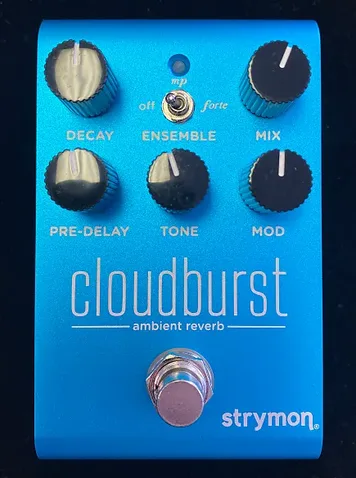
Well, I've not been able to quench my pedal addiction thirst, so I end up trying everything I can get my hands on. There's a great shop right down the road here called East Side Music Supply. They're the hip pedal place in town, so I'll ask them what's cool right now. For that padded, ambient reverb thing I just bought the Strymon Cloudburst. There are some tunes that will require those sounds for this coming tour and it's really good for that. With the mix control down, it's almost like you can keep a pad going that lives underneath your playing, but just adds this cool element that's almost indiscernible. It also gets really wet. It's an extreme effect, you'd never use it as your main spring reverb. For drive, I've just primarily been using my old standbys. I got rid of my old Klons a while back when they started going up in price and I've found the Mythos Mjolnir to be the closest to my ears that's out there in that Klone category.
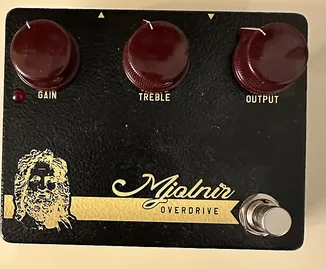
There are two versions of that pedal. Zach Broyles, who started that company, used to work at Carter back in the day when I bought my Les Paul and we've been buddies ever since. Now he makes all these awesome pedals. I have the Wildwood version of the Mjolnir, which is a larger enclosure and it's painted black. The regular version is a tweaked Klon and for the Wildwood version it's an audio clone of his personal real Klon. I've been using it for a couple years and I love that thing. For Fuzz I've been using the Analogman Sun Bender MK1.5.
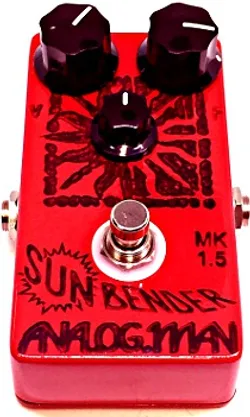
It's in between the MK1 and MK2 circuits. That is a great fuzz. It doesn't clean up like an old Fuzz Face as it's definitely more in the Tone Bender category, but because of that, the overdrive shades you get when you do roll down your volume are excellent. It sounds great with Les Pauls or humbucker guitars. As you know, often single coils seem to work much better with vintage Fuzz Faces than HB guitars. I love the Memory Man and have for years, but they just keep breaking, which is frustrating. They sound so good.
TQR: Which amps are your most likely to steal from your dads' stash?
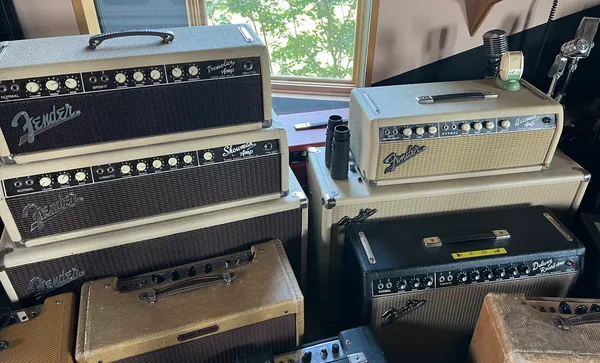
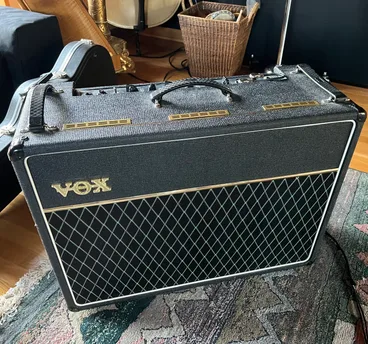
He has some cool amps, but I think I'm more stacked on the amp side [laughs]. I steal more guitars from him, his amp collection is certainly centered around Fender. He loves Deluxe Reverbs, so he's got four of those. He has an old Tweed Bassman and some Blonde Fenders. He has one old AC-30, although my friends who know this circuit will tell me that the one I have is one of the best top boosts they've heard. Todd Sharp resurrected this one after the flood. It's the only amp I kept. I lost a bunch of vintage amps in the 2010 flood.
TQR: Aw man, sorry to hear.
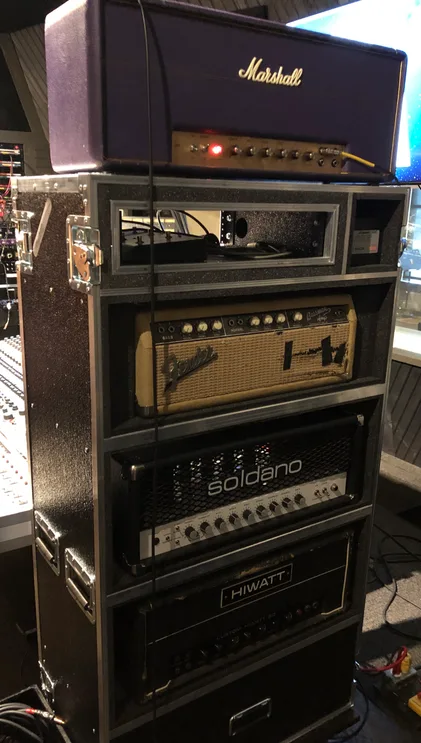
I had great insurance, so I actually came out for the better to be honest with you. I just had to go through all of that to get there. I kept this old AC-30. Todd held on to it for a couple years after the flood and I just told him, get to it when you get to it and make it right. Every time I turn it on for friends, their jaws drop and they'll say something like, "OK, I haven't heard an AC-30 before. I thought I had but I hadn't." The cabinet was ruined, so I put it in a repro combo cabinet. The amp came back. He had to bake the transformers and he told me that he washed the chassis in his dishwasher. The top boost channel in this amp is unbelievable. So, my dad has a good old AC-30, but this one is the one. I've been collecting old Fenders, too. I don't have multiples like he does, but I have a collection of black panels from the Princeton to the Deluxe Reverb to the Pro Reverb. I have a couple old Bassmans, a black panel and a blonde one that I toured with all last year. I got into old Supros, reading about Mr. Valco (Terry Dobbs) of course in TQ. I've got six or seven old combos. One of them that I use to record with all the time is the best slide amp I have. Anytime I'm recording slide I use that amp. It's this little 6400 Supreme, with 6973 Tubes with a 1x10 combo, volume and tone, no tremolo. That's a never sell amp for me. Then for the higher gain stuff I have a Soldano SLO 100 and a Wizard head.
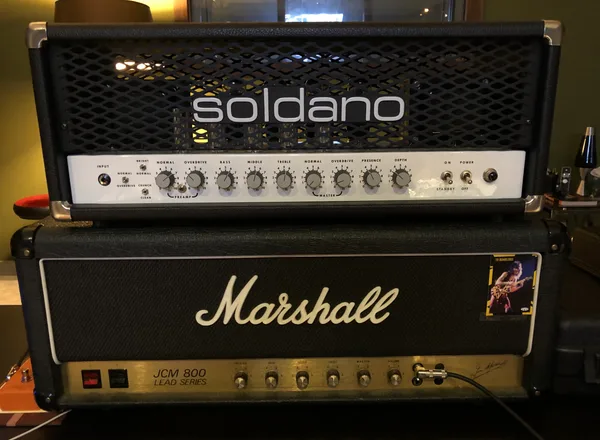
Those are great for heavy rock. My '72 50-watt Hiwatt, is an amp I've used on a bunch of stuff. A lot of people think of Hiwatt as a 100-watt super clean amp, but this 50-watt really has an awesome grunt and overdrive to it. Those 50-watt Hiwatts, in my opinion, are really overlooked.
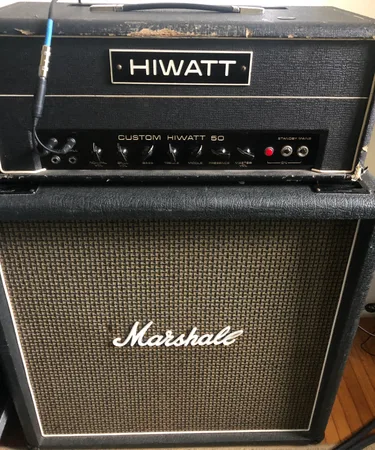
TQR: Harry Joyce wired?
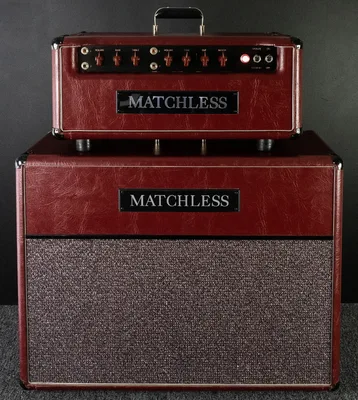
Yes, this is a Harry Joyce/Dave Reeves era. In '78 or '79 they went to the two inputs. This is the earlier, four-input amp. I got it forever ago on eBay when they weren't worth anything. I think I paid $700 for it. It's amazing. The '50s are way crunchier than people give them credit for, because they're typically thinking 100-watt, Partridge transformer clean amp. Those are amazing too. When I need a Plexi level of crunch, but not the same exact sound and frequency, this is the go-to amp. It's beautiful when you record a Marshall on one side and the Hiwatt on the other, it makes it sound huge. I have Matchless HC-30, which is a go-to for me on sessions. That's an amp that works really well for a lot of the Nashville sound as guys like Bukovac have proven for years.
TQR: The HC-30 is the head, right? What speakers do you like with that amp?
I love it through an old 4x12. It sounds amazing through the old greenbacks. I should probably get a Matchless cab at some point. Those are great. If I need it to sound less Marshally, I'll take an oversized Bogner 2x12, currently loaded with a Celestion Cream Alnico and a WGS ET65 to sessions. It's not a Sampson era one, but it's an especially good sounding one, early 2000s. I went down the path of getting it outfitted with old glass. My buddy Ryan told me one time that Matchless are the amps that really respond to rolling vintage tubes. That's the secret of getting those amps working at their full potential. He wasn't wrong and I'm glad I spent that time and money to dial it in. Every time I fire it up, I'm glad I put in the effort. It sounds so good.
TQR: Power tubes are?
They're EL84s, but it's really not Vox like at all. It has this big, bold, piano, stringy presence about it. To my ears it sounds very different than an AC-30. It's much louder and more stout in the low end.
TQR: It seems that the circuit seems to have far more impact on the sound of an amp than the power tubes. It all obviously is part of the recipe, but the first time I heard a Two Rock with 6L6s, it entirely changed my perception of what 6L6s sound like. For many they only hear that tube in the context of bigger Fenders, but those early Two Rocks, have beautiful overdrive. This guy I knew back in Virginia, had this incredible collection of early Two Rocks and he had a couple Trainwrecks and Komets. Hard to believe but it was back in '99/'00 that I got to hear and play all those amps.
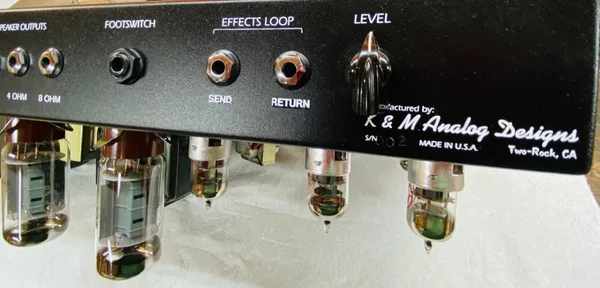
It's true and I can tell you that the NOS GZ-34 rectifier and a good 12AX7 in V1 made a HUGE difference. Yes, those Matchless amps have their own thing going. They're special.
TQR: Bold and piano-like is a great way to describe it. When you dig a little deeper on the Sampson era thing, which everyone seems to tout, you come to realize that Phil Jamison was doing most of the building even way back then and he's still building them.
I've emailed him back and forth over the years and he's a really great guy. The thing about the Sampson designed circuit that many covet is because it was designed around old glass and most of those early '90s amps shipped with those old tubes as they were much more obtainable back then. I love that HC-30 and I'd love to get my hands on a Chieftain.
I go through phases where I'll just play the Fenders and the AC-30 will sit until I fire it up and then I'll proceed to ask myself why I haven't been playing that amp since it sounds so good. It's fragile, but man...My buddy Jay who owns that killer historic Les Paul is always saying, "You know you gotta turn these amps on and play them, you always say it's your favorite amp, but you haven't turned it on in two years [laughs]. You gotta keep using them." That red 50-watt Marshall, I don't think I've turned that one on in two years either. It's sitting down in my dad's studio. I keep a number of amps there and unfortunately it becomes an out of sight out of mind thing. I have to start rotating them more. I have this Purple '68 Plexi that is my holy grail of the old 100-watt Marshalls and every time I turn that on, it's the same thing, why don't I just use this all the time. It's an especially loud 100-watt. It's got the Van Halen 6CA7 Sylvanias in it. Last time I had a tech looking at it and he said to me, "You do realize that this amp is more like 130-watts easily?" But man is it good.
TQR: You use the Fryette Power Station with that?
Exactly. I only used to record it on big rock tracks in isolation, but once I got the Fryette I was able to play it and stand in the room with it. What a sound. I always have had this soft spot for custom-colored Marshalls. I've spent some time tracking those down over the years.
TQR: What eye-opening moments have you had along your tone journey that you would think would surprise us?
The biggest eye openers along that path are not surprising. Hearing vintage instruments in comparison to current production instruments and how different that experience can be. There are some incredibly good guitars and amps being built today, but in the case say of old Les Pauls, Strats and Teles, black panel Fenders, early '60s Vox AC-30s, late '60s Marshalls, there is an audible difference in sound and feel, from my perspective. That may have been surprising once upon a time, but with the way information is shared these days, it's a fairly common position held by those fortunate enough to have experienced a sample size that would allow them to draw a somewhat definitive conclusion.
TQR: What a ride catching up. We will be paying attention to what emerges for you on stage with the Ann Wilson band, what a beautiful conundrum. Have a great tour.
Thanks man, the process is always fun! TQ—Scott Ulrichs
ryanwariner.com